Pikast linnaskõndimisest läks mul kõht kangesti tühjaks ja võtsin nõuks Linnupesa lasteaia kokatädide juurde minna. Seal soojas köögis jutustasid nad mulle, millised olid vanal ajal eestlaste kombed ja toidud. Tädid rääkisid ka tänapäeva kommetest. Head suppi süües oli mõnus kuulata…..
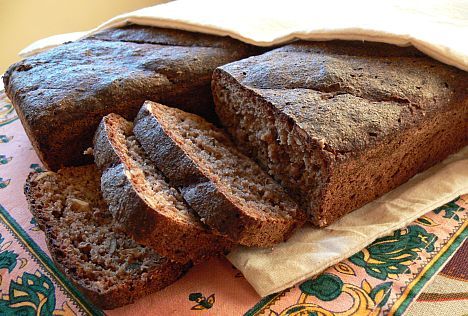 Eestlase igapäevane toidulaud pole kunagi olnud liiga rikas, mistõttu ka “head isu” soovimisel on eesti talupoeg soovinud oma perele hoopiski “jätku leivale”. Vanal ajal sõi kogu pere ühise pika laua taga ja peremehe koht oli laua otsas. Talupojad sõid rukkileiba ja leivapätsi lõikas peremees ise. Mahakukkunud leivatükk tuli üles võtta ja sellele suud anda.
Eestimaal on alati joodud kasemahla. Piima joodi toidu kõrvale vähem ja hapupiima rohkem.
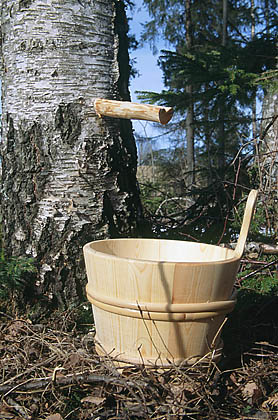
Nüüd on eestlaste hulgas piim väga populaarne, samuti teised piimatooted: hapupiim, keefir, jogurt, pett.
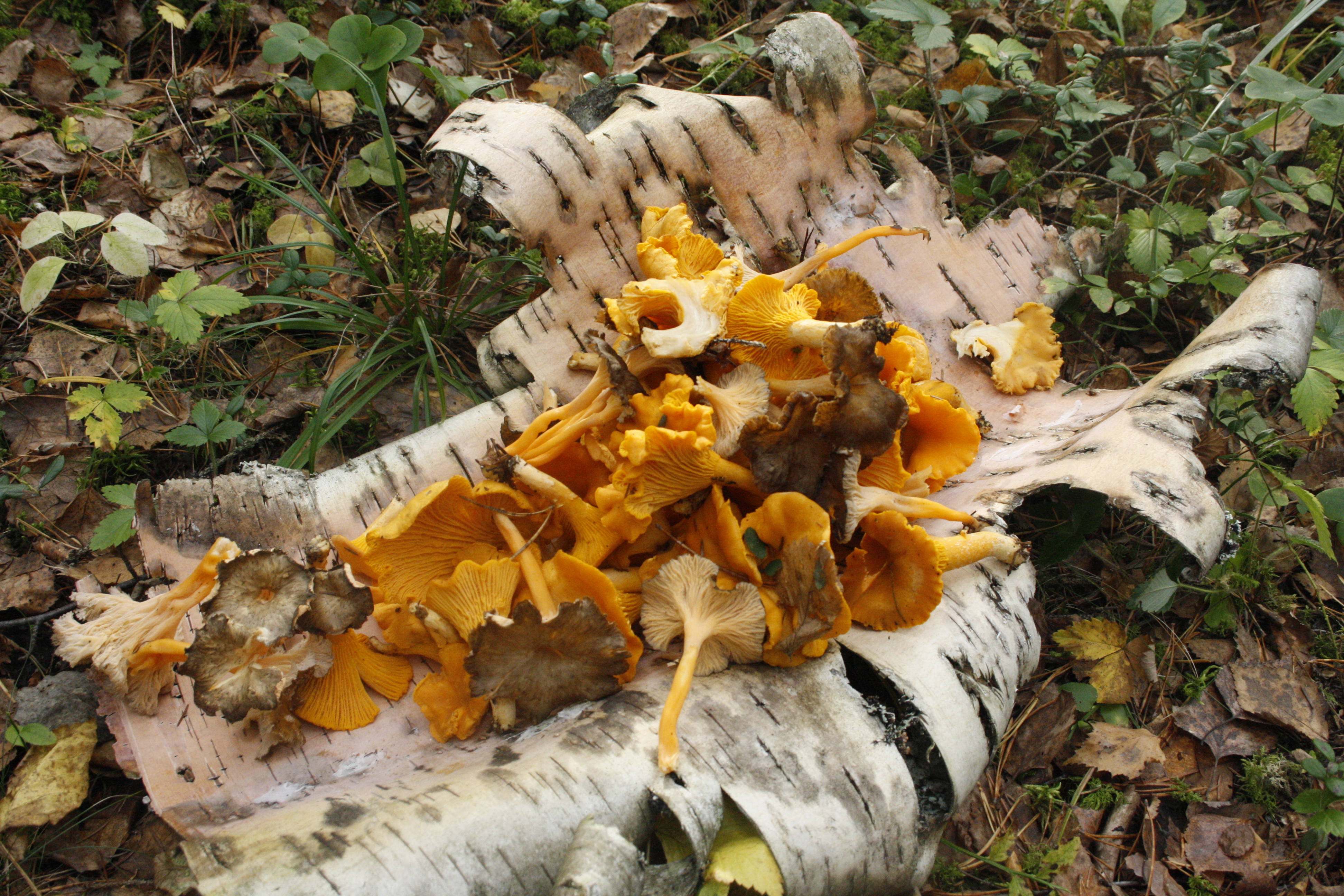
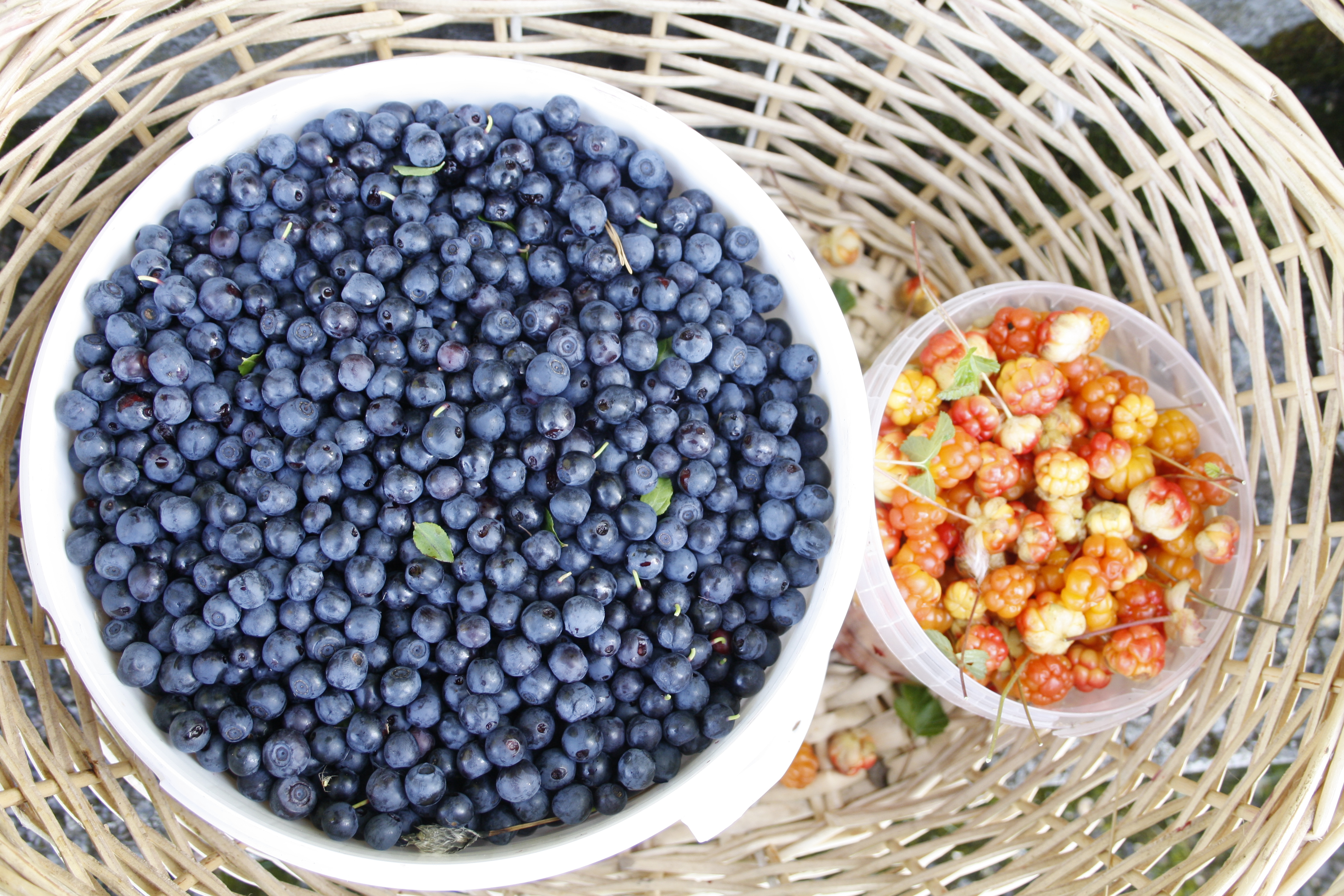
Õnneks ajad muutuvad ja meie koos nendega. Hommikust sööb enamik eestlasi kodus: tehakse putru, süüakse müslit, võileibu. Lõunalauas süüakse rohkem sooja toitu ja laual võib olla kas supp, praad (liha, kaste, kartul), aedviljad. Tööpäevadel süüakse peres erinevatel aegadel, perega koos nädalalõppudel. Maal elavad inimesed söövad rohkem enda kasvatatud puu- ja juurvilju. Minu headel sõpradel on linnast väljas maakodu, kus kasvatatakse igasuguseid marju, köögivilju ning neil on ka palju õunapuid. Metsas käiakse marjul ja seenel.
Traditsioonilisi toite süüakse rahvakalendri tähtpäevadel. Jõuluajal on alati laual sült, seapraad, ahjukartulid, hapukapsas ja verivorst. Eestimaal armastatakse suvel väga grillida, isegi vihmaga.

Küsisin mängima minnes Linnupesa lastelt, mida nemad süüa armastavad. Lapsed rääkisid, et neile meeldivad makaronid hakklihakastme ja ketšupiga, kartul, supid, liha ja erinevad salatid. Kui küsisin, et kas te magusat ei armastagi, vastasid lapsed, et kuidas siis muidu, meile meeldivad kohukesed, tort, banaan, pirn, pannkoogid moosiga, limonaad, jäätis ja küpsisetort. ”
Estonian Food
The walk in the streets made me hungry and I decided to visit the cooks of Linnupesa kindergarten. In the nice and warm kitchen they told me about the old Estonian food and eating traditions. They also told me about the way they eat now. It was really nice to eat good soup and listen to their stories…
The Estonians have never had very vivid selection of foods and so instead of saying “bon appetite” they wish that their family would have enough bread – “jätku leivale”. In the old days the whole family ate at a long table and the man of the house sat at one end. The peasants ate rye bread and it was always the father that cut the bread. When a piece of bread fell on the floor, it had to be picked up and kissed.
Birch sap has always been popular in Estonia. People also drank milk but sour milk was more widely used. Now milk is very popular among Estonians and also all kinds of other milk products: sour milk, kefir, yoghurt, buttermilk.
Nowadays most Estonians have breakfast at home: they make porridge or eat muesli or sandwiches. For lunch people often have a warm meal and you find soup, a warm dish (meat, sauce and potato) or vegetables on the table. Country people often eat vegetables and fruits that they have grown themselves. My good friends have a farm house outside the town where they grow all sorts of berries and vegetables and they also have a lot of fruit trees. They go to the forest to pick berries and mushrooms and conserve these in all sorts of ways.
Traditional foods are eaten during folk festivals. At Christmas there is always meat jelly, pork, oven potatoes, sauerkraut and blood sausages on the table. In summer Estonians love to have grill parties, even when it’s raining.
When I went to play with the children at Linnupesa Kindergarten I asked them what they liked to eat. Children said that they like spaghetti with minced meat sauce and ketchup, potatoes, soups, meat and different salads. When I asked them if they liked desserts they nodded eagerly – they like cheese curd, cakes, bananas, pears, pancakes with jam, lemonade, ice-cream and biscuit-cakes.