Eestimaa loodus.
Kui mul tuleb tuju Eestisse oma sõpradele Linnupesa lasteaeda külla minna, siis enamasti tulen laevaga, kuid vahel valin reisimiseks ka lennuki.
Lennukist alla vaadates on näha ilus roheline maa, sest Eestis on väga palju metsa ja soode poolest on ta maailmas lausa II kohal!
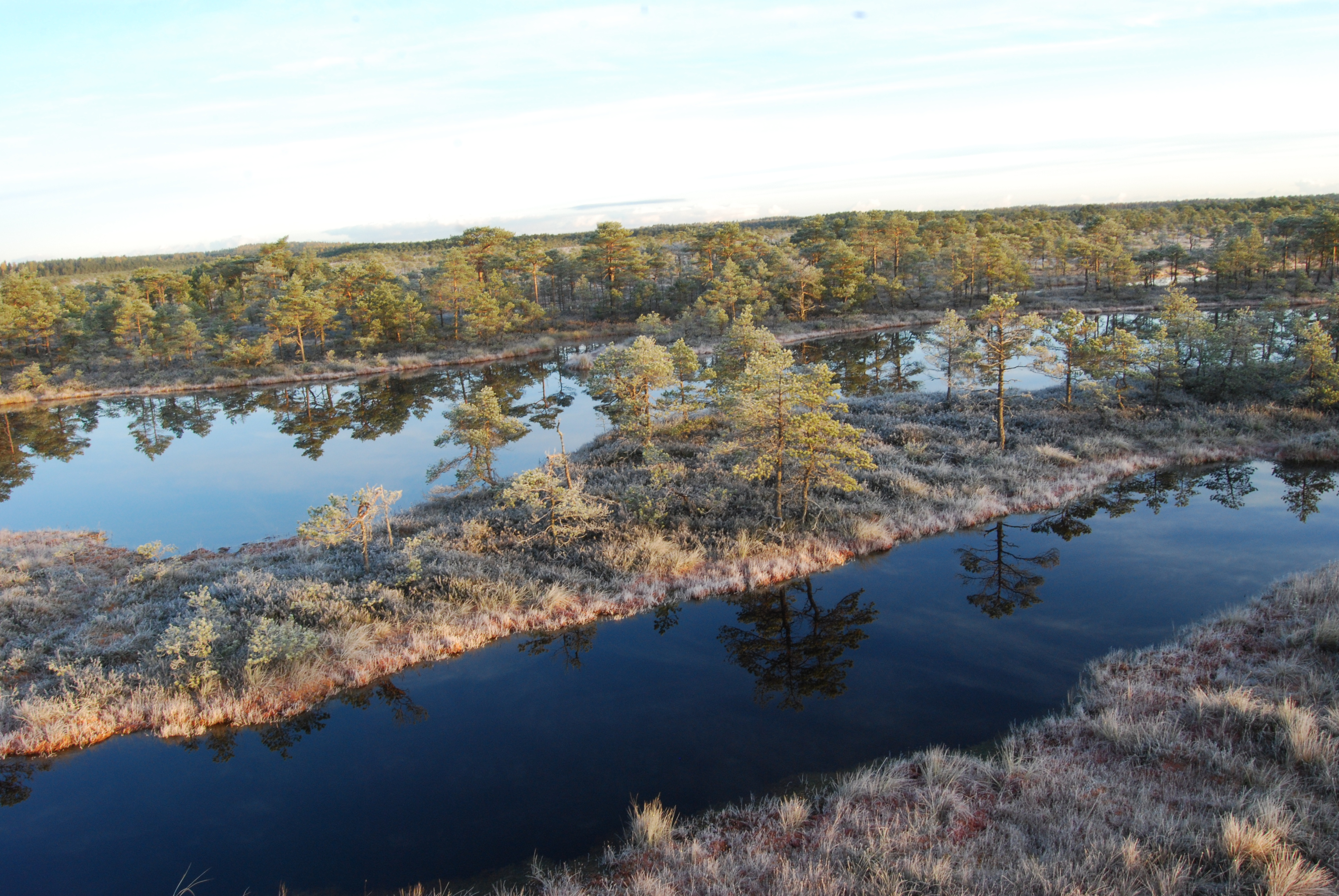
https://foto.rmk.ee/loodus/sood_ja_rabad
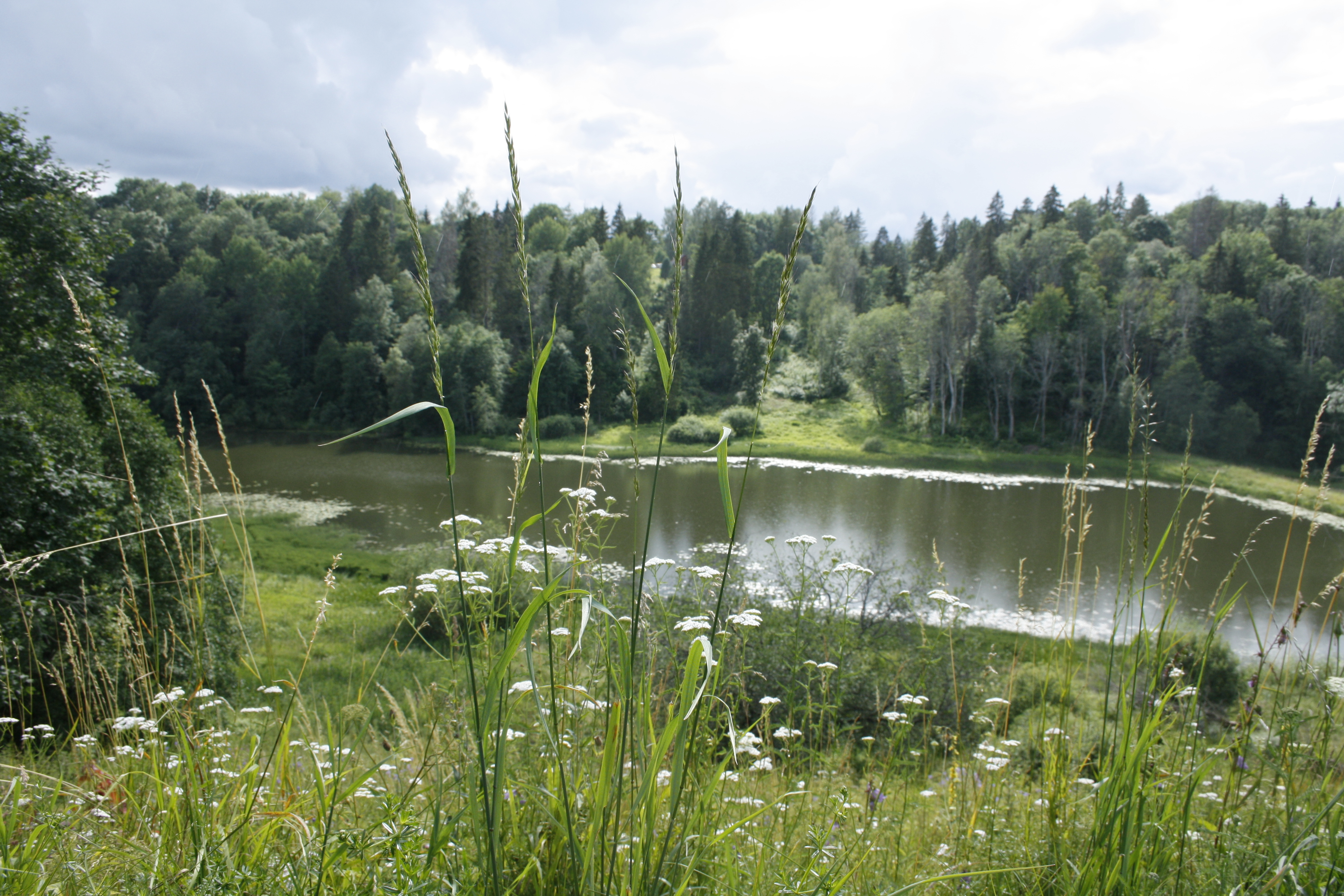
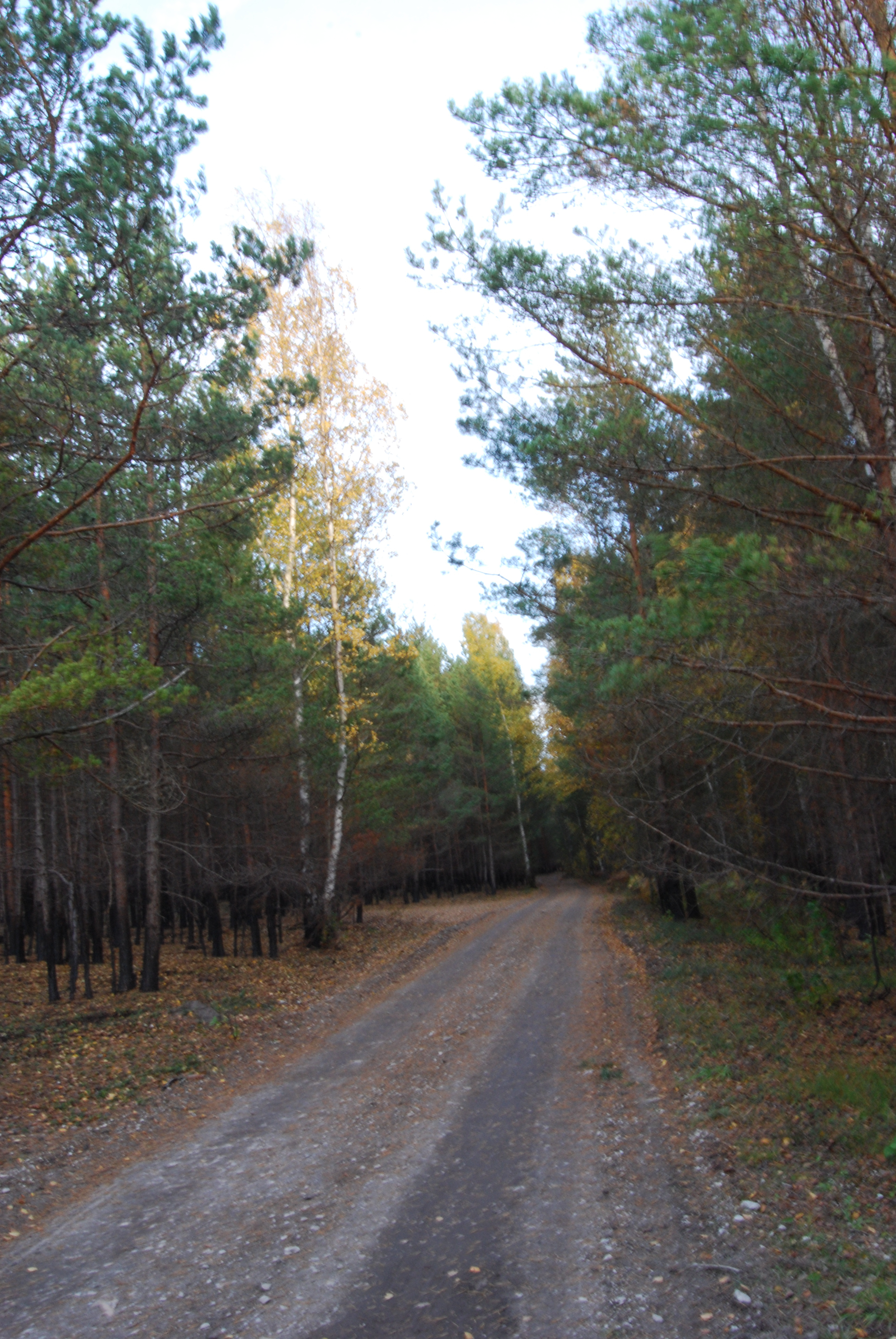
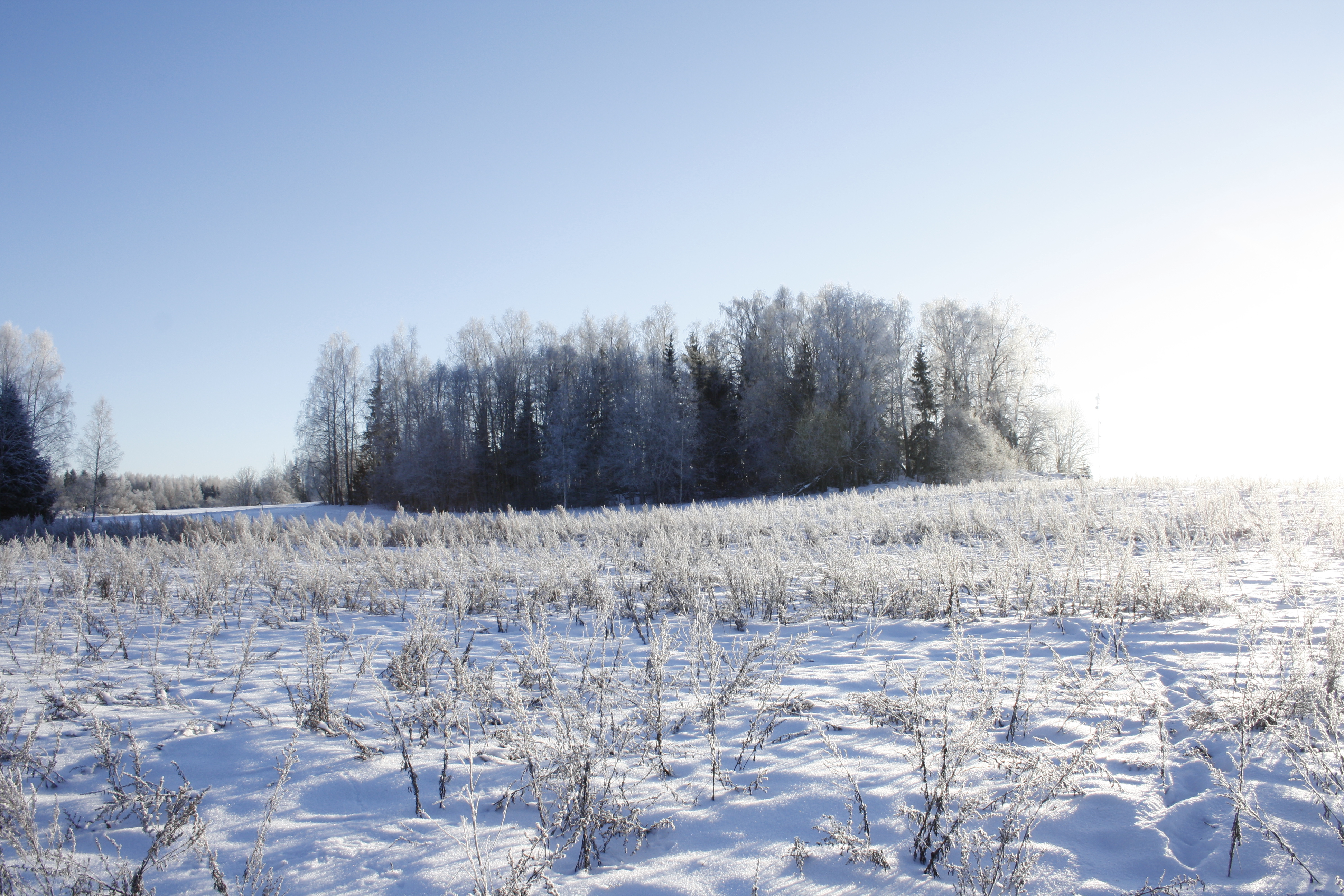
Kõige ilusam on see, et igal aastaajal on see maa ise värvi. Kevadel õrnalt rohekas, suvel eriti roheline, sügisel kirju ning talvel mustvalge. Mitte kunagi pole igav!

Eestis olen ikka paari kõrgemat kohta ka näinud, kõige kõrgem neist on Lõuna-Eestis Suur Munamägi (318m). Sealt tornist näeb tõesti väga kaugele.
Poolt Eestit katab mets, kus kasvavad männid, kuused ja kased, siis veel tammed, haavad, saared, jalakad, lepad ja vahtrad. Eesti saartel kasvab palju kadakaid. Linnupesa lasteaias kasvab ka hoovis suur tamm, mille tõrusid oleme isegi metssigadele söögiks korjanud. Vaatasime pärast metsakaamerast, kuidas sead tõrusid vitsutasid. 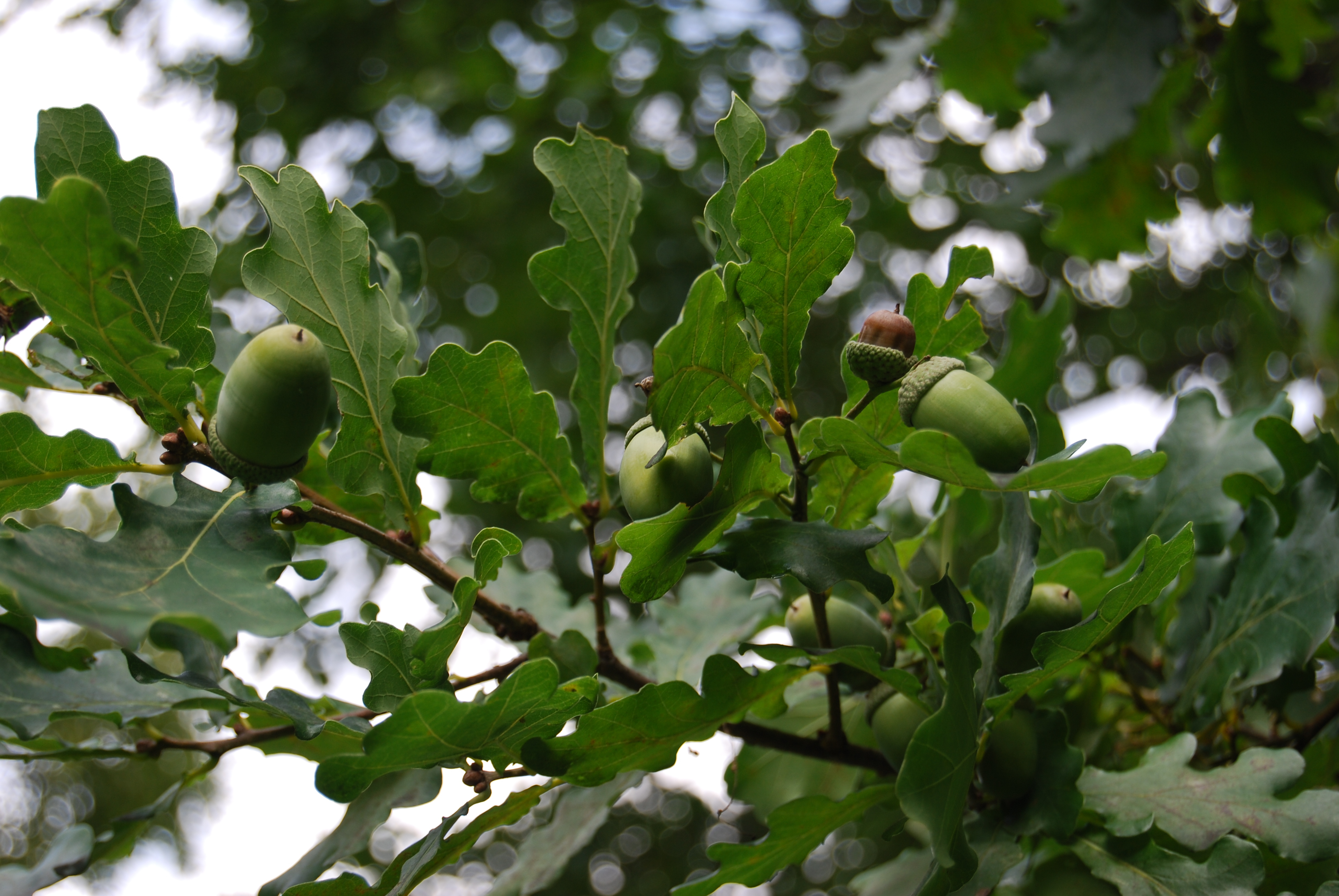
Lennukilt nägin üle 1500 saare. Inimesi elab neist vähestel. Suuremad saared on Hiiumaa ja Saaremaa, kuhu sõidetakse praamiga ja seal on isegi väikesed linnad.
Ülevalt lennukilt on näha ka tuhandeid järvi ja jõgesid. Kõige suurem järv on Peipsi järv. Käisin suvel seal ujumas ja see paistis alguses nagu meri, ainult vesi oli mage. Jõed on lühikesed ja vett on neis vähe, ainult paaril neist saab laevaga sõita.
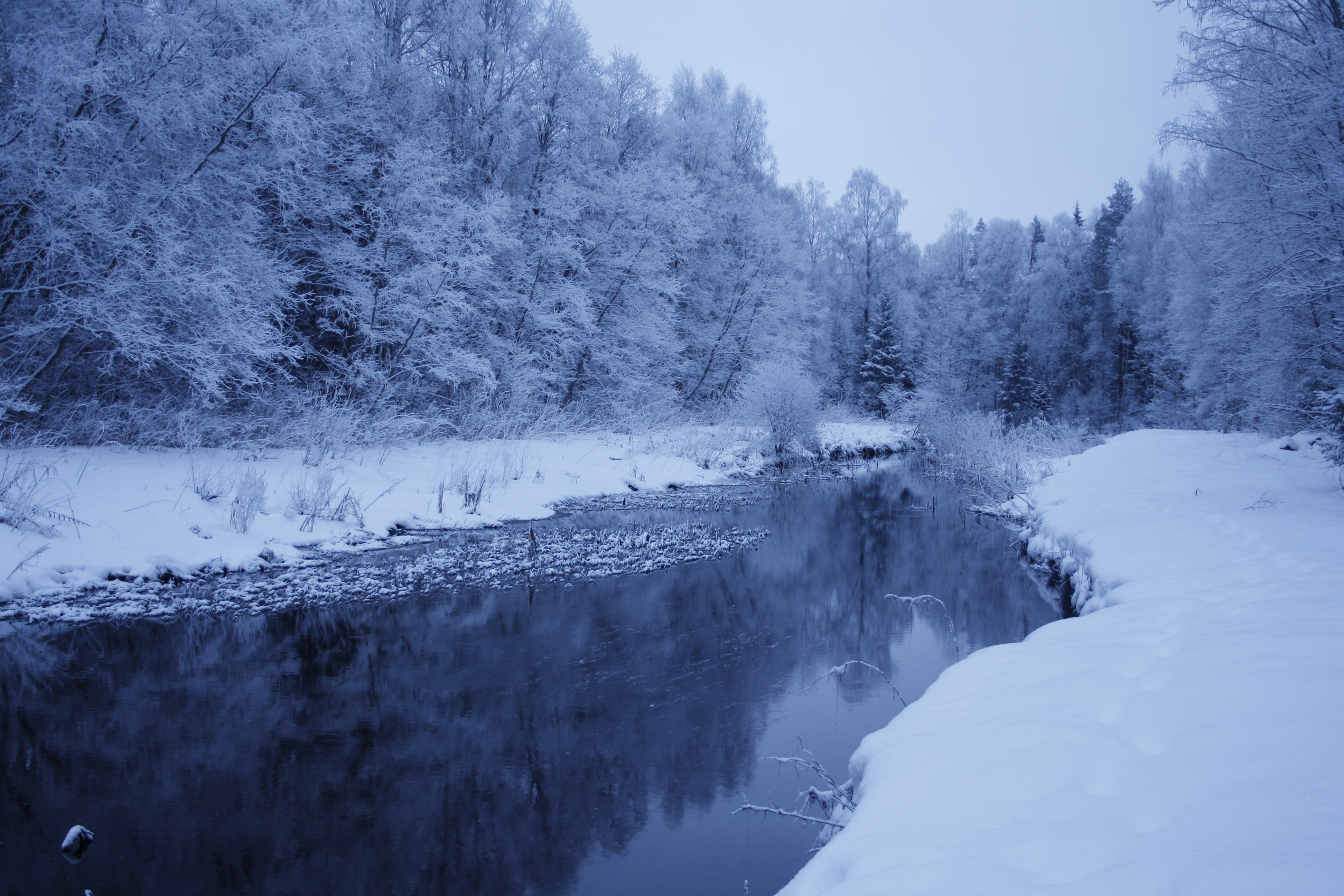
Suvel on Eestimaal valge, juuni kuus ei lähe ka öösel peaaegu pimedaks. Talvel on aga kogu aeg pime, vahel pole päikest kuu aega näha. Õnneks muudab pikad talveööd valgemaks mahasadanud lumi. Eesti ei ole pindalalt kuigi suur (45 227 km2), kuid ilm mere ääres ja sisemaal võib olla vägagi erinev. Külmarekord on -43, 5 C ja sooja oma +35, 6 C
Eestis elavad sellised loomad nagu karu, ilves, hunt, rebane, metskits, põder, metssiga ja kobras. Siin võib kohata üle 300 linnuliigi, eriti palju linde pesitseb saartel. https://foto.rmk.ee/loodus/loomad_ja_linnud
Loodushoiu alla kuulub kümnendik territooriumist Kaitsealusteks on tunnistatud üle 200 taime, nende hulgas ka 24 looduslikult kasvavat orhideed. https://foto.rmk.ee/loodus/taimed_lilled_oied/?_page=1&_count_all=96&
Põhjarannik on väga paekivine ja paekivi on ka meie maa tunnuseks.
Estonian nature.
When I want to visit my dear friends of Linnupesa Kindergarten, in Estonia I choose to travel by ferry but every now and then I decide to travel by airplane.
Peeking out of the small airplane window I see beautiful green country, Estonia has many many forests, moors and marshes. Estonia holds the second place in having most of marshlands in the whole world!
Every season paints Estonia its own color. In Spring it’s slightly bright green. In summer dark rich green. In fall multicolored – red, golden, yellow and green. Winters are mostly bright white with spots of black here and there. One thing is for sure – It is never bland and boring!
Most of Estonia is quite flat but as you travel more to the south, you’ll see beautiful rolling hills. I have seen couple of the high land points in Estonia. The highest one is Suur Munamägi (318m). From the top of the tower there, you can really see far far away.
Half of Estonia is covered by various forests of pine, spruce, birch, oak, aspen, ash, elm, alder and maple trees. Juniper trees grow abundantly on Estonian islands. A large oak tree grows in Linnupesa Kindergarten’s garden. We have collected the acorns growing there and taken them to the forest to be fed to wild boar. Watching them munch on them excitedly through a forest webcam was a sight to remember! https://www.looduskalender.ee/n/en
I could spot 1500 islands from my airplane ride. Most of them uninhabited. The largest islands Saaremaa and Hiiumaa have small towns and you can reach the islands by taking a ferry.
Also many thousands of lakes and rivers are visible from high up in the sky. The largest lake is lake Peipsi. I had a wonderful swim there last summer. The lake looked like the sea at first, except the water was fresh water not salt water. Rivers in Estonia are quite short and boats take to only a few of them .
The month of June is magical time in Estonia. It stays light almost 24 hours a day. In winter it is the opposite, Estonia has very little daylight then. All the snow helps alleviate the long dark winter nights. The area of Estonia is not very big (45 227km2), but the changes in weather between inland and coastal areas can be quite different. The record of coldest weather is -43,5 C and of warmest weather is +35,6 C.
You may find more than 300 different species of birds in Estonia, many of them nest on the islands. Bear, lynx, wolf, fox, deer, elk, wild boar, moose and beaver have all made a home here.
One tenth of the territory here belongs under natural preservation. 200 plants, of which 24 rare orchid plants are also under protection.
The northern coast of Estonia is limestone rich and limestone is also one of the national symbols here.