Pippi in Estonia. Nature
Eestimaa loodus.
Kui mul tuleb tuju Eestisse oma sõpradele Linnupesa lasteaeda külla minna, siis enamasti tulen laevaga, kuid vahel valin reisimiseks ka lennuki.
Lennukist alla vaadates on näha ilus roheline maa, sest Eestis on väga palju metsa ja soode poolest on ta maailmas lausa II kohal!
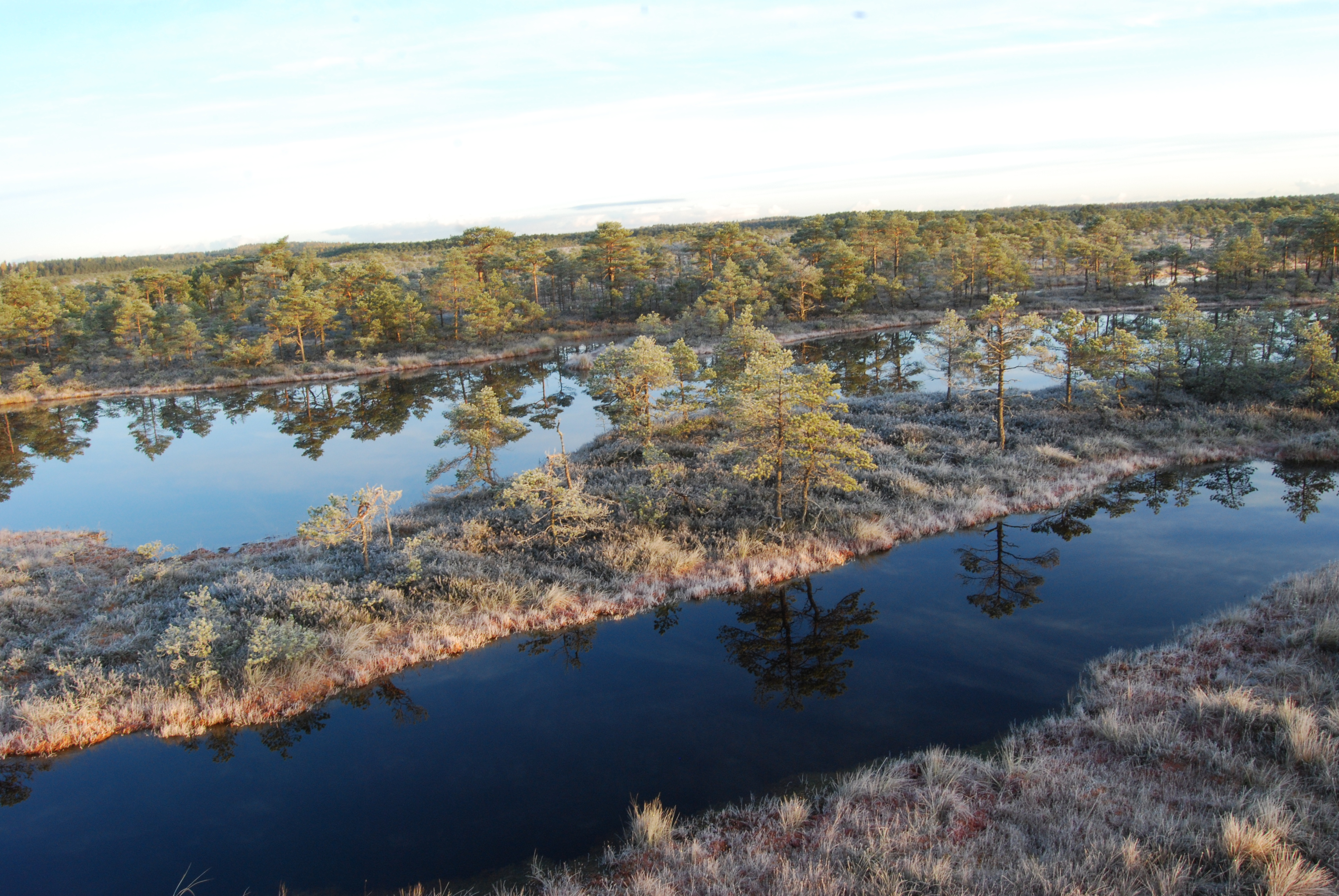
https://foto.rmk.ee/loodus/sood_ja_rabad
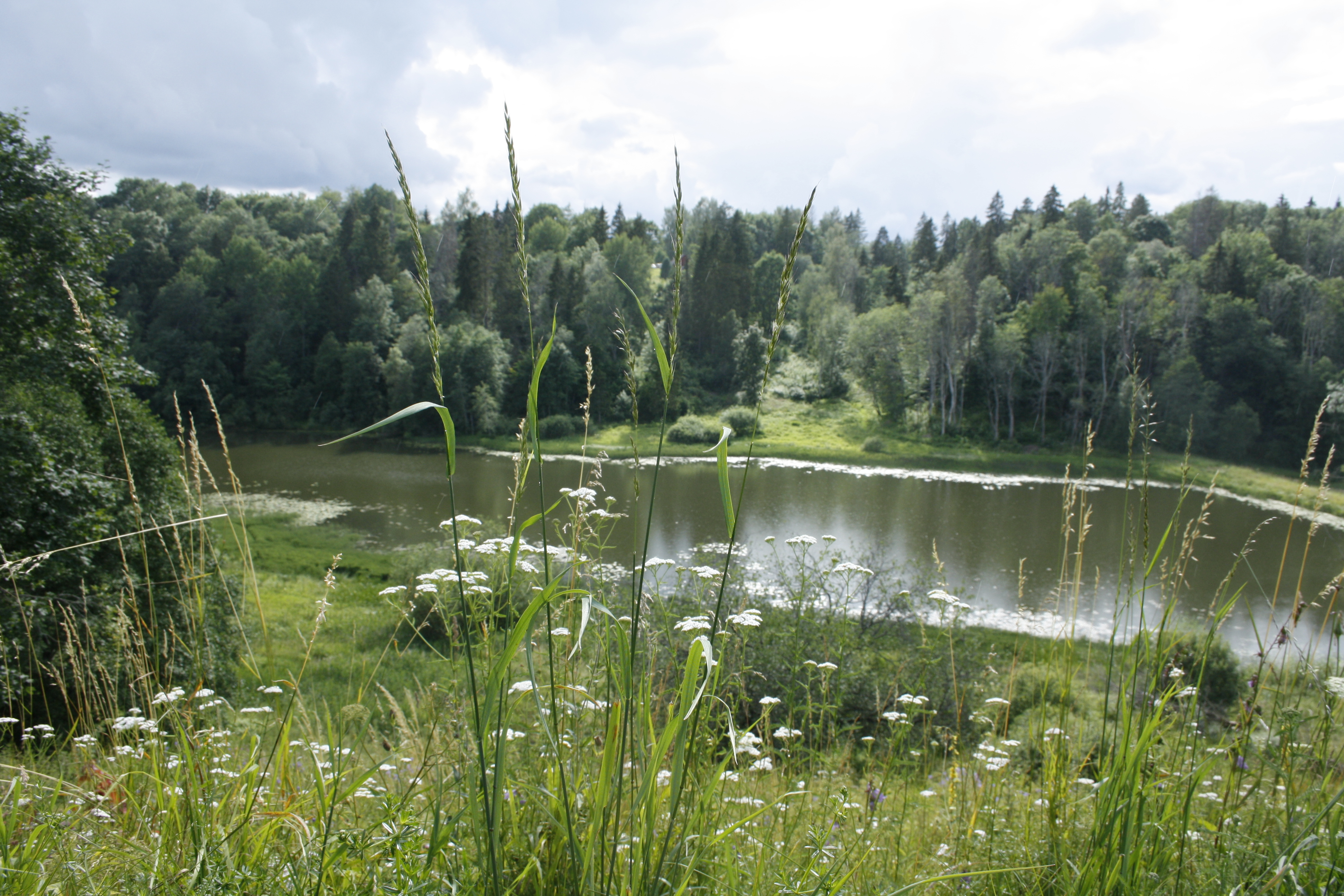
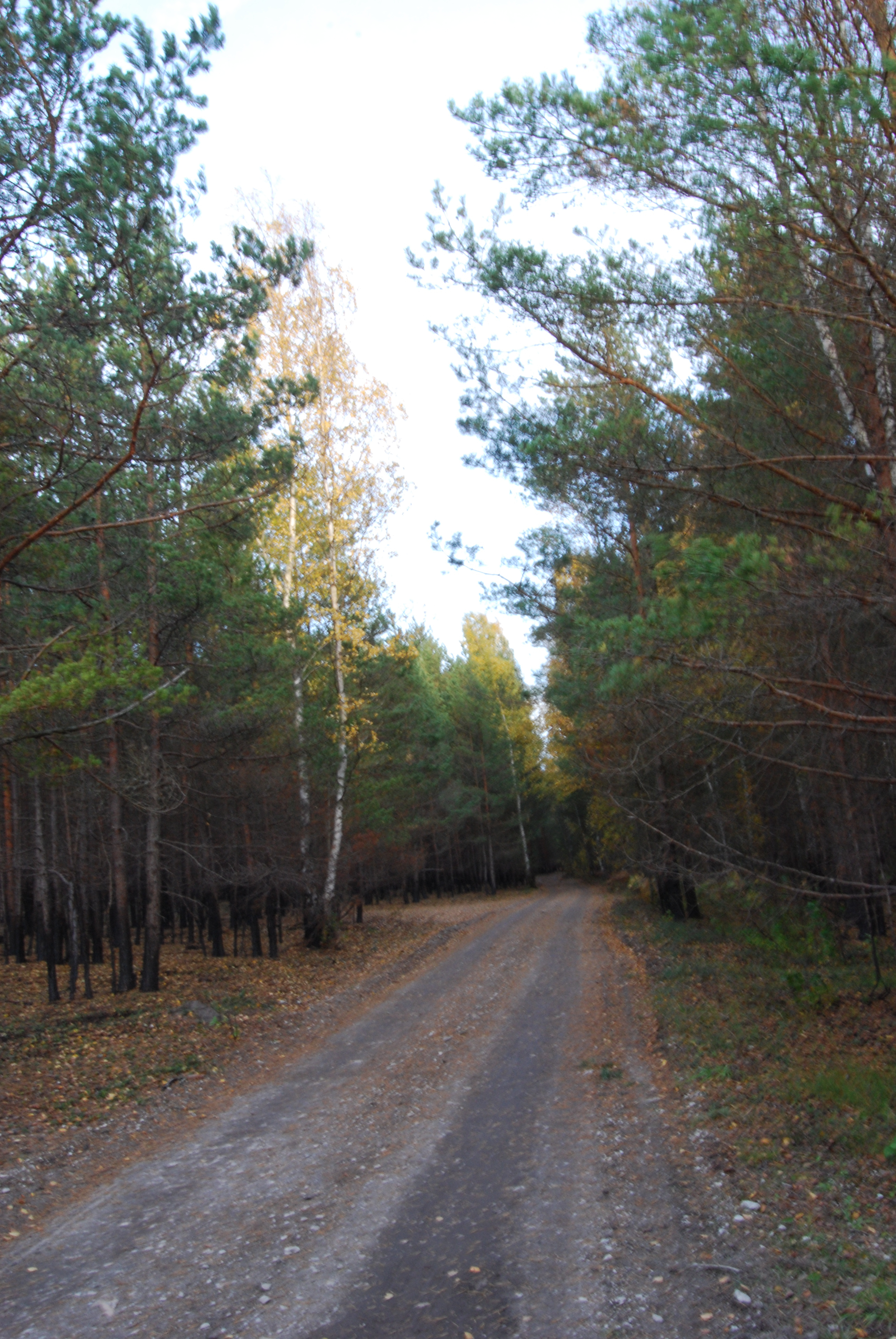
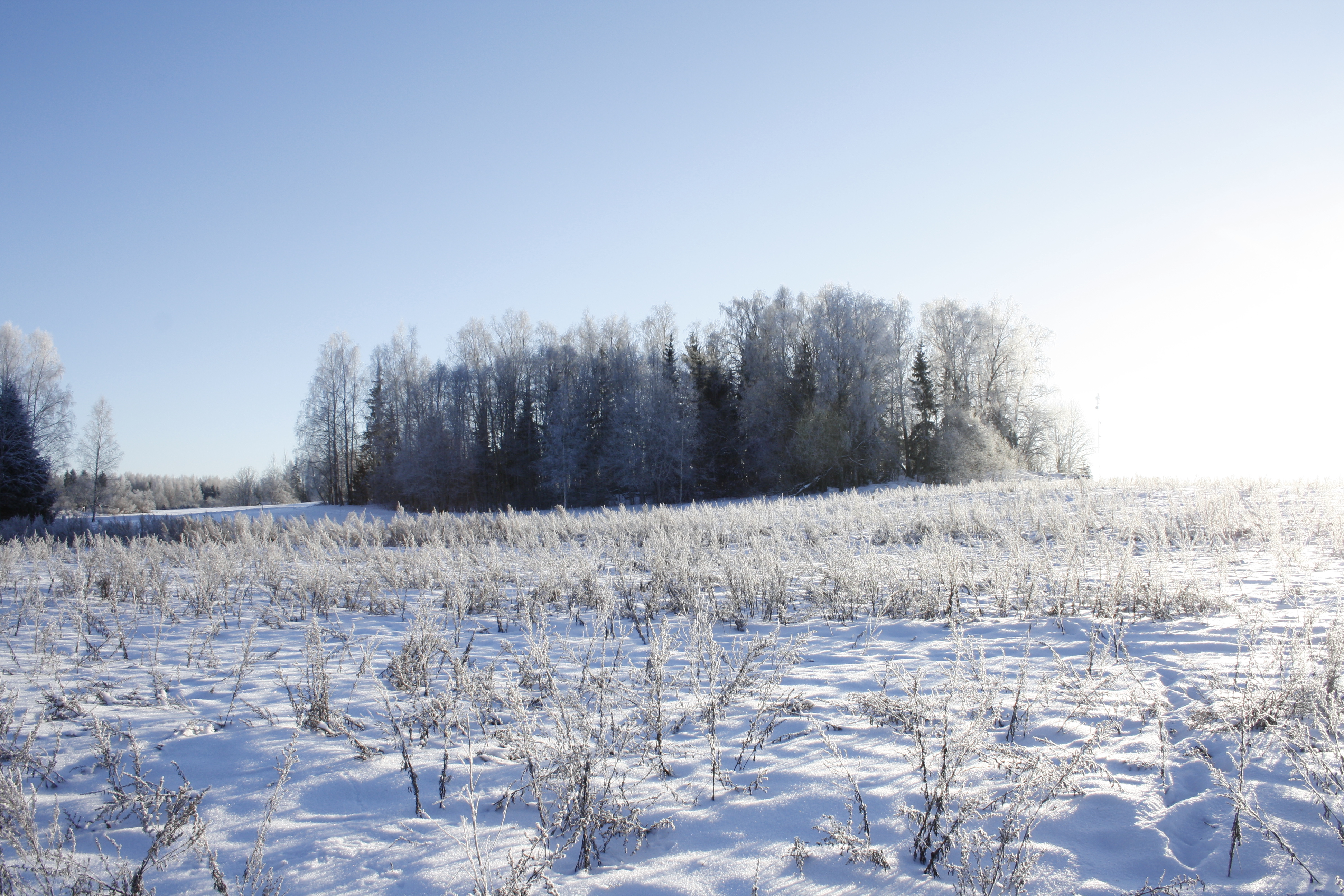
Kõige ilusam on see, et igal aastaajal on see maa ise värvi. Kevadel õrnalt rohekas, suvel eriti roheline, sügisel kirju ning talvel mustvalge. Mitte kunagi pole igav!

Eestis olen ikka paari kõrgemat kohta ka näinud, kõige kõrgem neist on Lõuna-Eestis Suur Munamägi (318m). Sealt tornist näeb tõesti väga kaugele.
Poolt Eestit katab mets, kus kasvavad männid, kuused ja kased, siis veel tammed, haavad, saared, jalakad, lepad ja vahtrad. Eesti saartel kasvab palju kadakaid. Linnupesa lasteaias kasvab ka hoovis suur tamm, mille tõrusid oleme isegi metssigadele söögiks korjanud. Vaatasime pärast metsakaamerast, kuidas sead tõrusid vitsutasid. 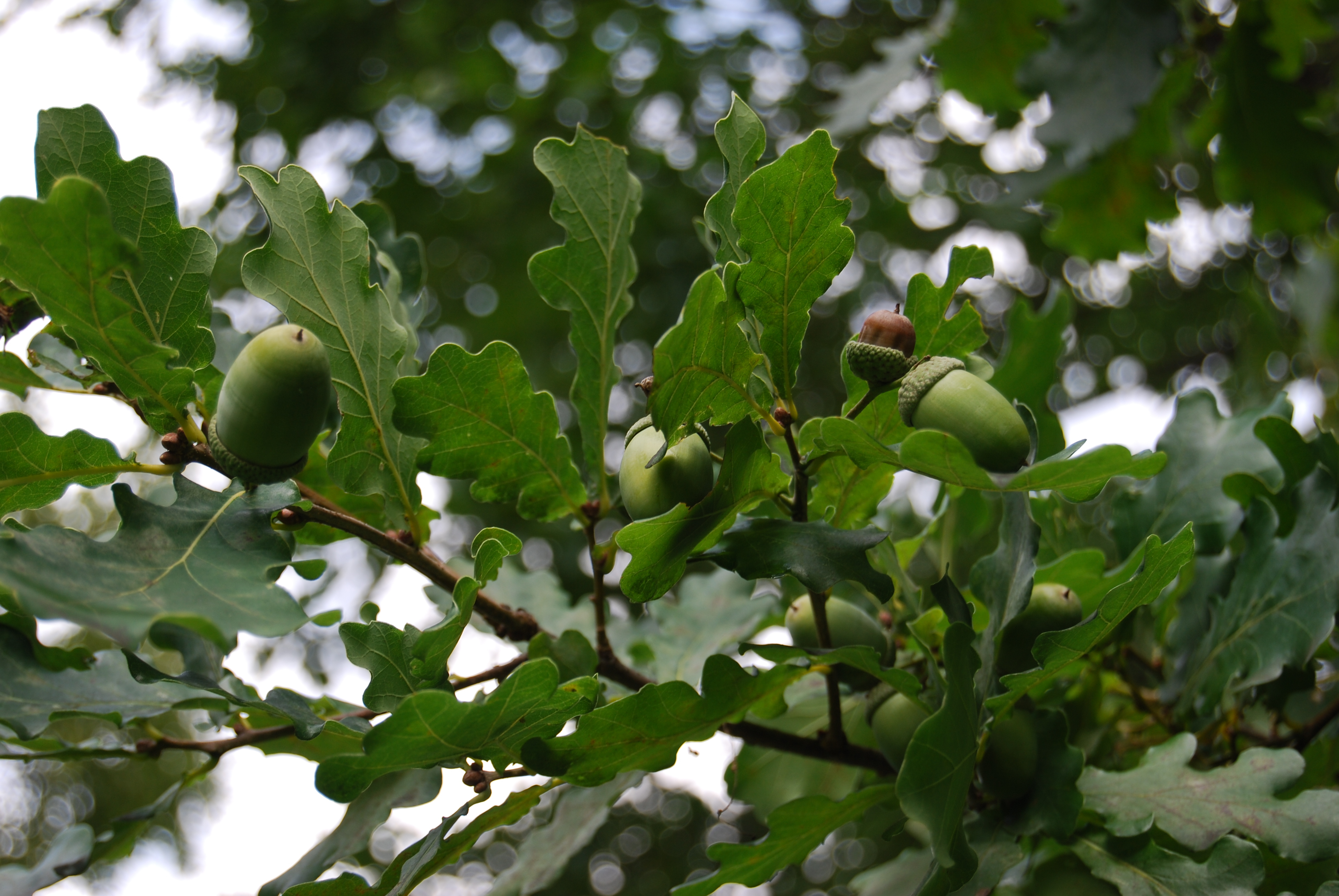
Lennukilt nägin üle 1500 saare. Inimesi elab neist vähestel. Suuremad saared on Hiiumaa ja Saaremaa, kuhu sõidetakse praamiga ja seal on isegi väikesed linnad.
Ülevalt lennukilt on näha ka tuhandeid järvi ja jõgesid. Kõige suurem järv on Peipsi järv. Käisin suvel seal ujumas ja see paistis alguses nagu meri, ainult vesi oli mage. Jõed on lühikesed ja vett on neis vähe, ainult paaril neist saab laevaga sõita.
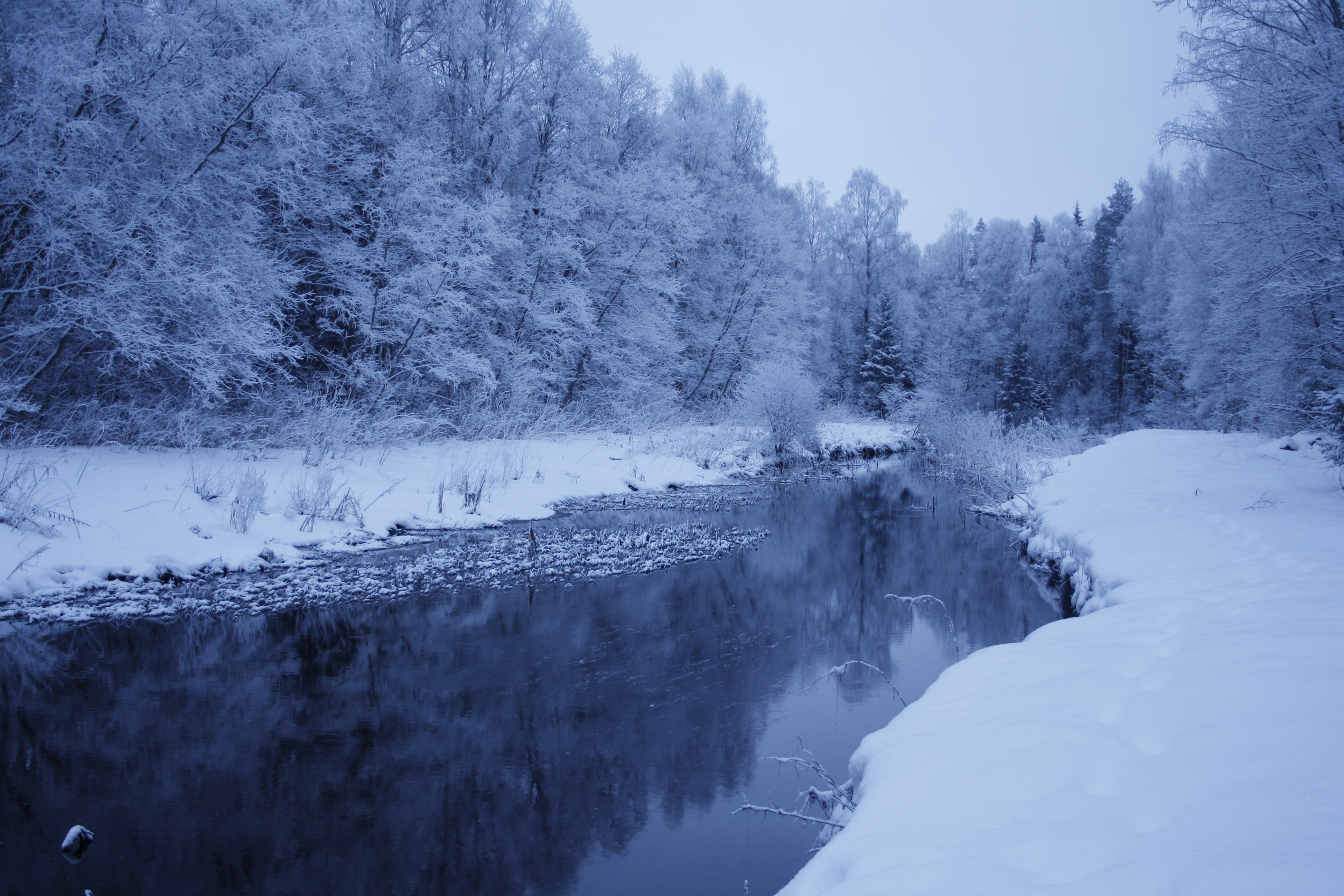
Suvel on Eestimaal valge, juuni kuus ei lähe ka öösel peaaegu pimedaks. Talvel on aga kogu aeg pime, vahel pole päikest kuu aega näha. Õnneks muudab pikad talveööd valgemaks mahasadanud lumi. Eesti ei ole pindalalt kuigi suur (45 227 km2), kuid ilm mere ääres ja sisemaal võib olla vägagi erinev. Külmarekord on -43, 5 C ja sooja oma +35, 6 C
Eestis elavad sellised loomad nagu karu, ilves, hunt, rebane, metskits, põder, metssiga ja kobras. Siin võib kohata üle 300 linnuliigi, eriti palju linde pesitseb saartel. https://foto.rmk.ee/loodus/loomad_ja_linnud
Loodushoiu alla kuulub kümnendik territooriumist Kaitsealusteks on tunnistatud üle 200 taime, nende hulgas ka 24 looduslikult kasvavat orhideed. https://foto.rmk.ee/loodus/taimed_lilled_oied/?_page=1&_count_all=96&
Põhjarannik on väga paekivine ja paekivi on ka meie maa tunnuseks.
Estonian nature.
When I want to visit my dear friends of Linnupesa Kindergarten, in Estonia I choose to travel by ferry but every now and then I decide to travel by airplane.
Peeking out of the small airplane window I see beautiful green country, Estonia has many many forests, moors and marshes. Estonia holds the second place in having most of marshlands in the whole world!
Every season paints Estonia its own color. In Spring it’s slightly bright green. In summer dark rich green. In fall multicolored – red, golden, yellow and green. Winters are mostly bright white with spots of black here and there. One thing is for sure – It is never bland and boring!
Most of Estonia is quite flat but as you travel more to the south, you’ll see beautiful rolling hills. I have seen couple of the high land points in Estonia. The highest one is Suur Munamägi (318m). From the top of the tower there, you can really see far far away.
Half of Estonia is covered by various forests of pine, spruce, birch, oak, aspen, ash, elm, alder and maple trees. Juniper trees grow abundantly on Estonian islands. A large oak tree grows in Linnupesa Kindergarten’s garden. We have collected the acorns growing there and taken them to the forest to be fed to wild boar. Watching them munch on them excitedly through a forest webcam was a sight to remember! https://www.looduskalender.ee/n/en
I could spot 1500 islands from my airplane ride. Most of them uninhabited. The largest islands Saaremaa and Hiiumaa have small towns and you can reach the islands by taking a ferry.
Also many thousands of lakes and rivers are visible from high up in the sky. The largest lake is lake Peipsi. I had a wonderful swim there last summer. The lake looked like the sea at first, except the water was fresh water not salt water. Rivers in Estonia are quite short and boats take to only a few of them .
The month of June is magical time in Estonia. It stays light almost 24 hours a day. In winter it is the opposite, Estonia has very little daylight then. All the snow helps alleviate the long dark winter nights. The area of Estonia is not very big (45 227km2), but the changes in weather between inland and coastal areas can be quite different. The record of coldest weather is -43,5 C and of warmest weather is +35,6 C.
You may find more than 300 different species of birds in Estonia, many of them nest on the islands. Bear, lynx, wolf, fox, deer, elk, wild boar, moose and beaver have all made a home here.
One tenth of the territory here belongs under natural preservation. 200 plants, of which 24 rare orchid plants are also under protection.
The northern coast of Estonia is limestone rich and limestone is also one of the national symbols here.
Pippis diary from Iceland
Here comes Pippi’s diary from her stay at Vesturborg in Iceland!
Pippi’s Irish Diary
Pippi’s Diary
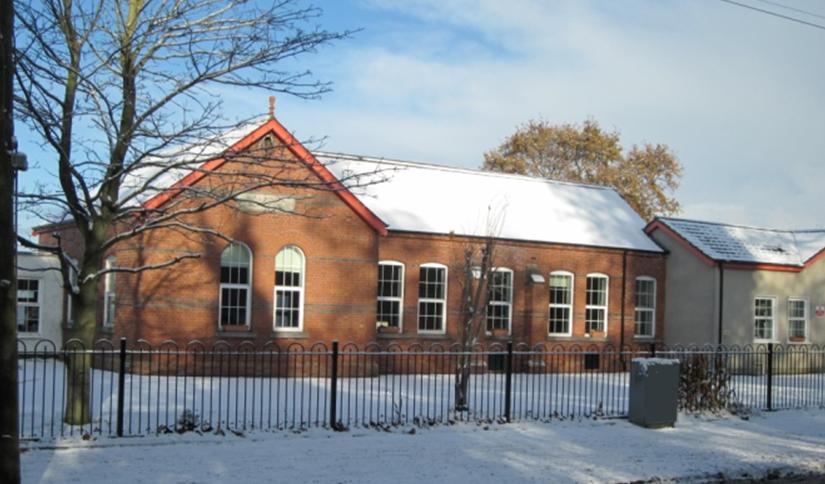
This is a record of my visits to classes in
St. Sylvester’s Infant School,
Malahide, Co. Dublin, Ireland
November 2012 – March 2013
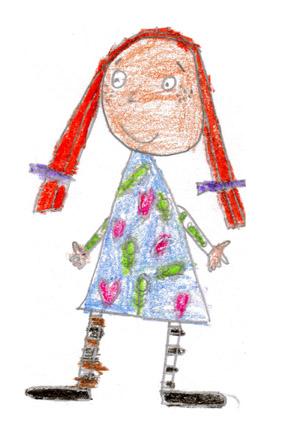
Hi boys and girls, this is a record of my visits to all of the classes in St. Sylvester’s Infant School.
The children started reading and learning about me in September 2012. All of the children listened to stories about my adventures. Some of the children did art lessons based on me – drawing me, painting me, some even drew Mr Nilson! The children also listened to songs about me including Pippi Longstocking is coming into to your town. The first class children in the school did projects on the other five countries in Europe that are also learning about me – Slovenia, Spain, Germany, Estonia and Iceland!
The school has dedicated the walls of their P.E. hall to me so that everyone that visits the school also enjoy all of the things that the children have learned about me and the countries involved in the Pippi project!
In November I decided that it was time to visit all of the classes in the school, starting with Junior Infants, Senior Infants and then the First Classes. In all I have 14 classes to visit, I’m going to be very busy!!
November 2012
My week in Room 5
Topic: School life (Play) & Sport
I am spending this week with the boys and girls in Room 5. There are 14 girls and 13 boys in this class and they are all aged 4 and 5.
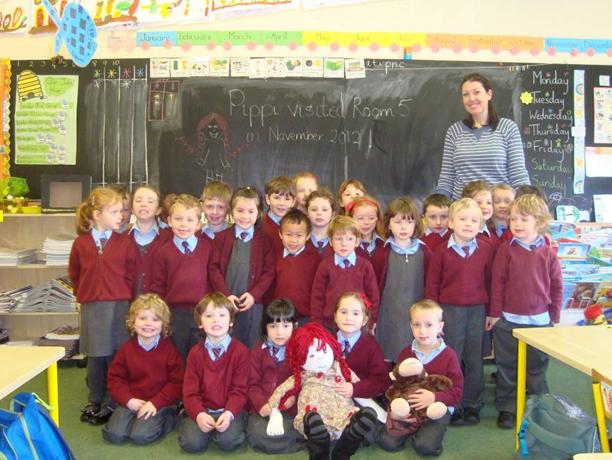
The children decided that they wanted to show me how their play rota works! Each Junior Infant class has a play rota which the children work from very morning when they come into school. Each table gets a turn to do each activity in turn, a different one a day! It’s great fun! This week the children’s different activities include making jigsaws, creating and copying patterns with pegs, building with different types of bricks and practicing writing the number 1 with chalk on little blackboards. Play rotas are used in infant classes all around Ireland! They allow the children to vary the educational activities that they do every day!
The All-Ireland Minor football champions of 2012 visited our school on the Monday so some of the children and I are wearing the Dublin G.A.A. jersey in some of the pictures!!
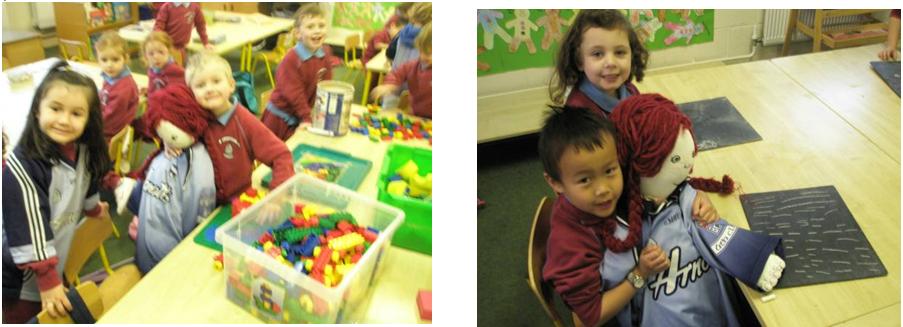
My week in Room 6
Topic: Food (Typical Lunch)
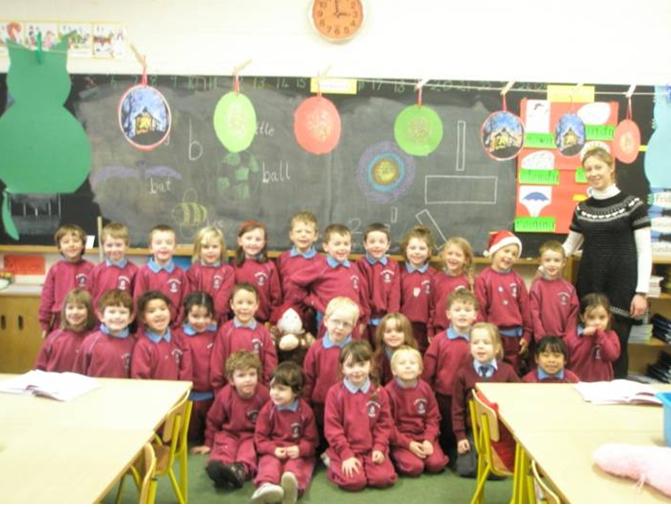
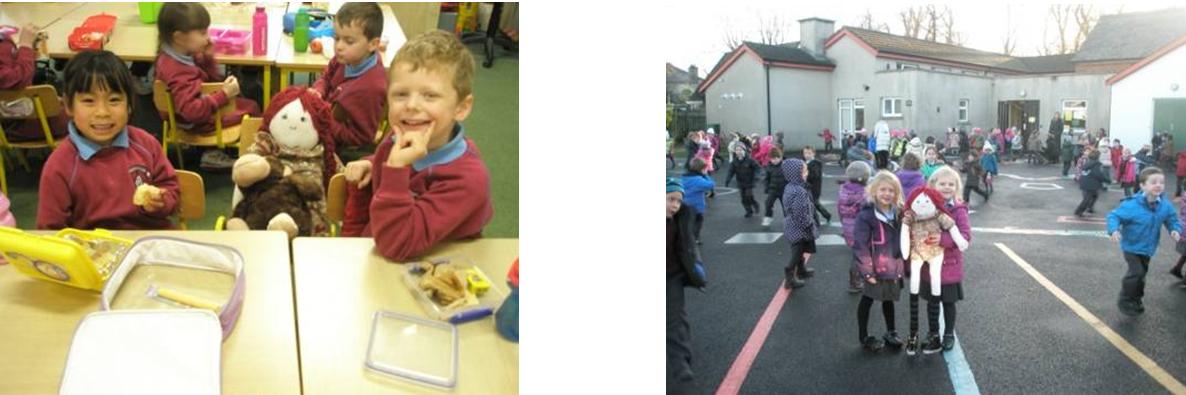
This week the girls and boys taught me about their break times. Here in Ireland the children have a snack in the morning. They always try to eat something healthy like a piece of fruit. They then go out to play in the yard with all of their friends in Junior Infants for 10 minutes. All of the children in Junior Infants have their own yard to play in.
They have their lunch in school also, usually around 12 o’clock in the afternoon. They eat tasty food like sandwiches, pasta, bagels, fruit, cheese and sometimes their parents might give them a treat of some sweets or a small bar of chocolate! When they have finished they go out to the yard again for 20 minutes.
They like to play games like ring a ring a Rosie, hopscotch, chasing games and make believe games too. They know their playtime is over when the teachers that are minding them rings a hand bell and they go and line up with their class and wait for their teacher to collect them and bring them back to their classroom again.
December 2012
My week in Room 7
Topic: Arts (Visual Arts & Christmas)
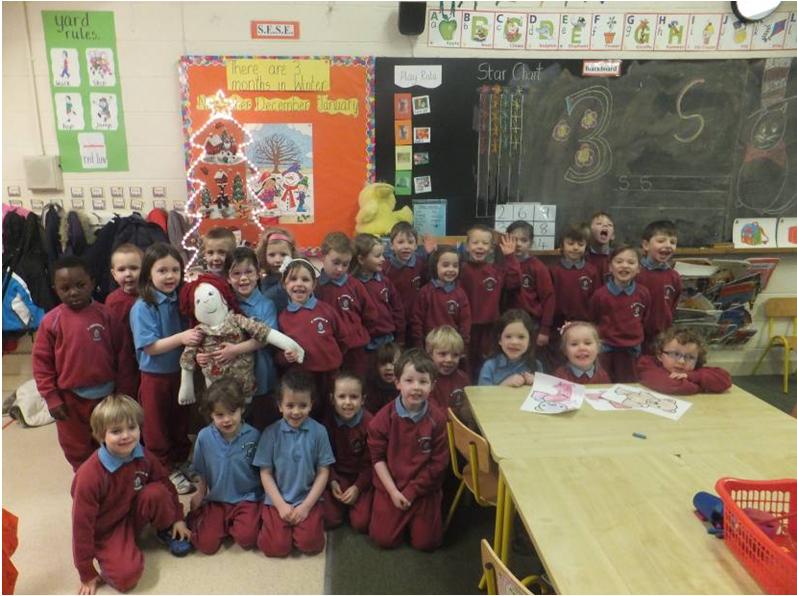
I visited the Junior Infants in room 7 to see their Christmas decorations! The children told me how excited they were waiting for Santa to come down their chimneys on December 24th! The children told me about how they helped their parent dress Christmas trees at home and helped wrap presents to give to their loved ones! These are traditions that children and families all over Ireland do before Christmas.
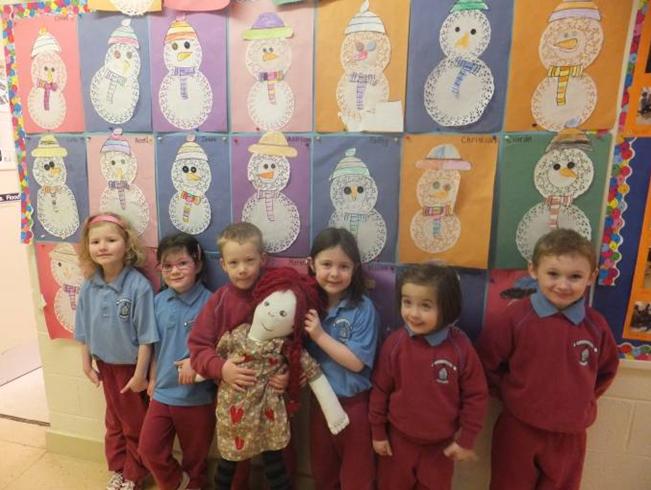
The children showed me the beautiful snowmen they made in art. I had great fun!
My week in Room 9
Topic: Arts (Language)
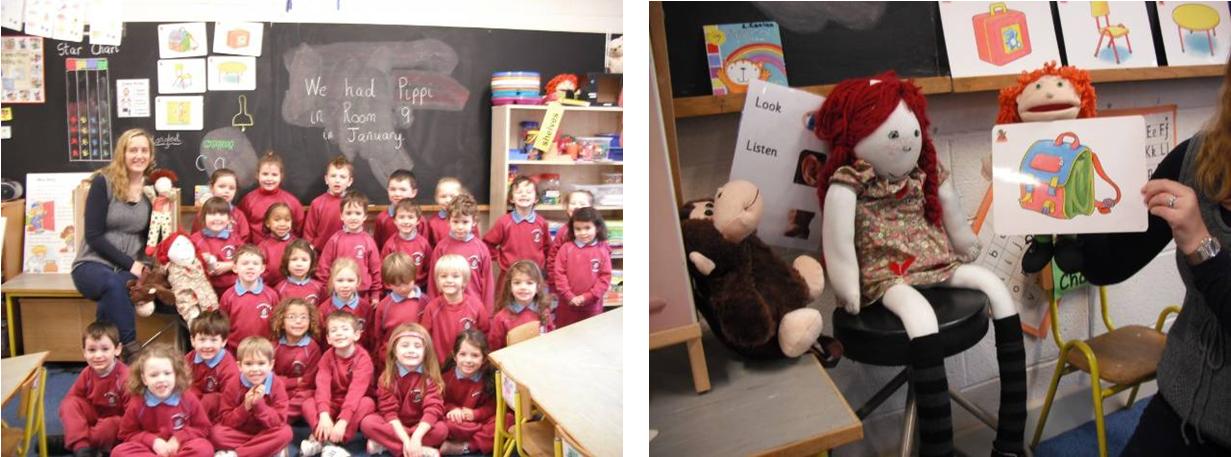
Mr Nilson and I visited Room 9 Junior Infants and we was so excited to arrive just in time to meet Rocaí Rua. Rocaí Rua is a puppet who only speaks ‘as Gaeilge’, in the Irish language. He helps the teachers in St Sylvester’s to teach Irish to the children in their classes. Each class learns Gaeilge every day and we also use a lot of Gaeilge throughout the day at school. Rocaí gets his name from his hair as ‘rua’ means red-haired in Irish. During my visit the children Rocaí was trying to trick the boys and girls by saying the wrong words for what they were learning. They were too clever for him and they got stars on their star chart for remembering their new words. Rocaí Rua told Mr Nilson and I that our schoolbag in a mála scoile in Irish!
Irish is the first official language in Ireland, though most people speak English as their first language. All children must learn Irish in school until they leave aged 18. There are many parts of Ireland where Irish is the main spoken language. These areas are mostly on the west coast, but they also include smaller areas in the east. Places where Irish is officially the main language are called the Gaeltacht. Here, children speak Irish in school all the time. There are also Gaeilscoileanna all over Ireland where children use Irish throughout the school day. The boys and girls in St Sylvester’s love Gaeilge and Rocaí Rua!
My week in Room 10
Topic: Clothes (School Uniform)
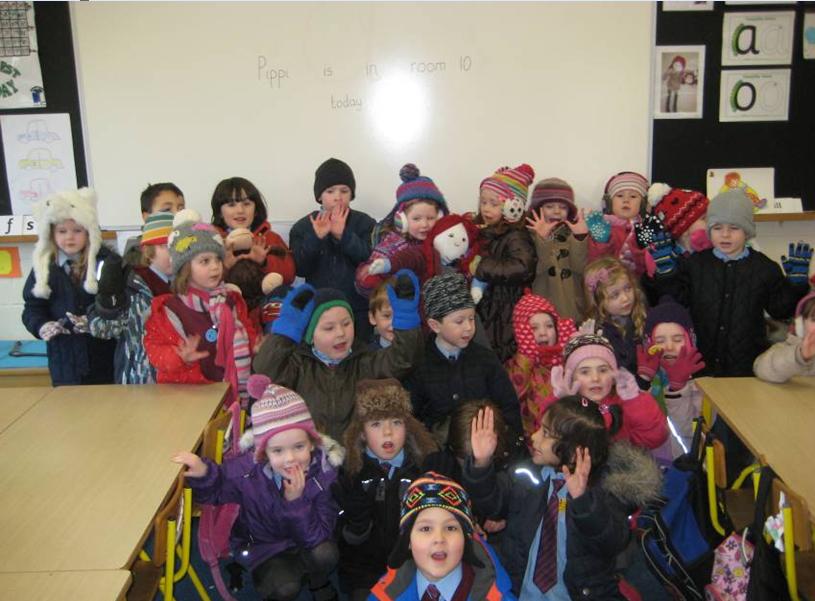
Everyone in Room 10 was delighted to welcome me to their classroom.
I was very interested to see what the children wear when they come to school. Most children wear uniforms to school in Ireland.
In St. Sylvester’s Infant School the boys and girls wear a uniform.
Girls wear a blue shirt, grey pinafore and wine cardigan.
Boys wear a blue shirt, grey trousers and wine jumper.
I even got to wear my own uniform when I was in Room 10.
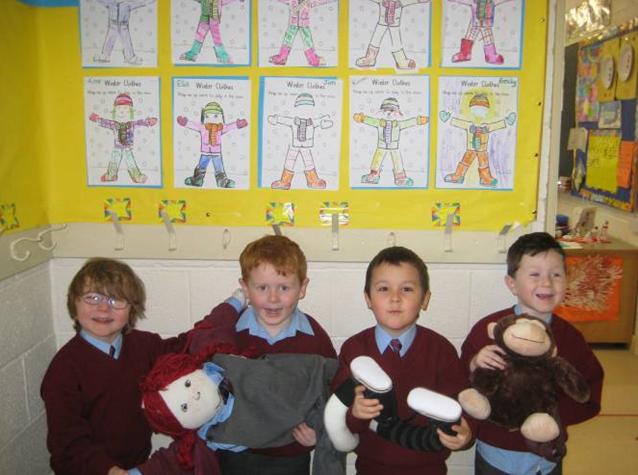
I was also interested to see what the children wear in winter to keep them warm when they are playing in the yard.
The children dressed up in warm coats, hats, scarves and gloves to show me!
Boys and girls all over Ireland wear hats, scarves and gloves in winter to keep warm.
January 2013
My week in Room 11
Topic: School life (Maths Curriculum)
I visited Ms Ryan’s Senior Infant class and loved their maths lessons!
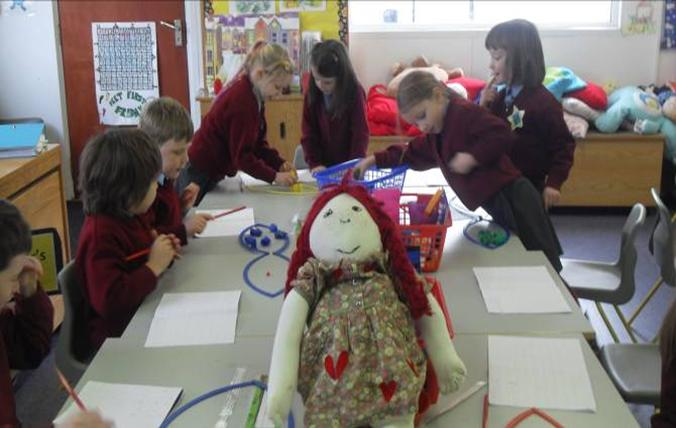
I investigated the Story of the number 8 with the boys and girls using cubes and dividers.
In senior infants in Ireland children learn and investigate numbers 1-10. I had lots of fun exploring the story of 8 and I came up with some ways to make 8 too!!
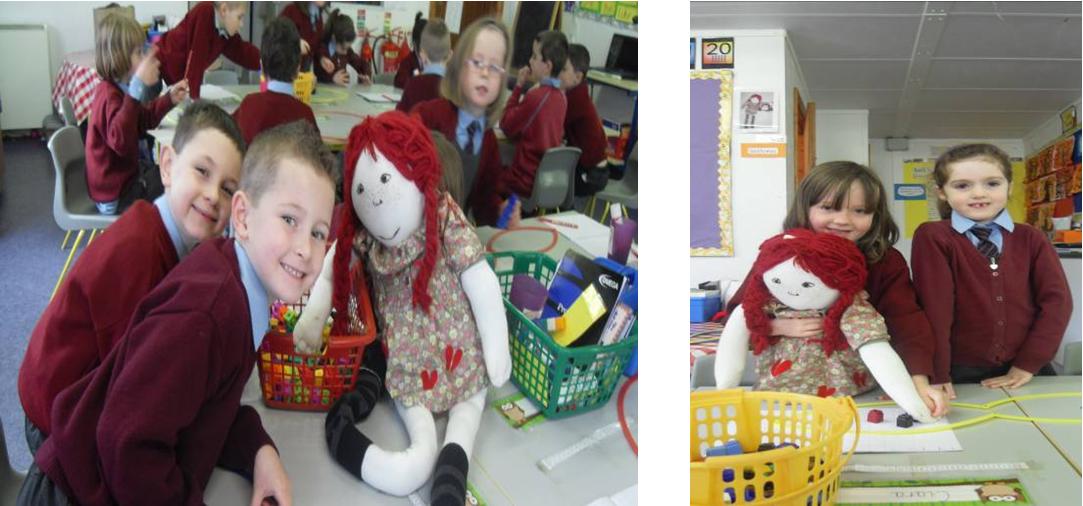
My week in Room 12
Topic: Landscape (Environmental Awareness)
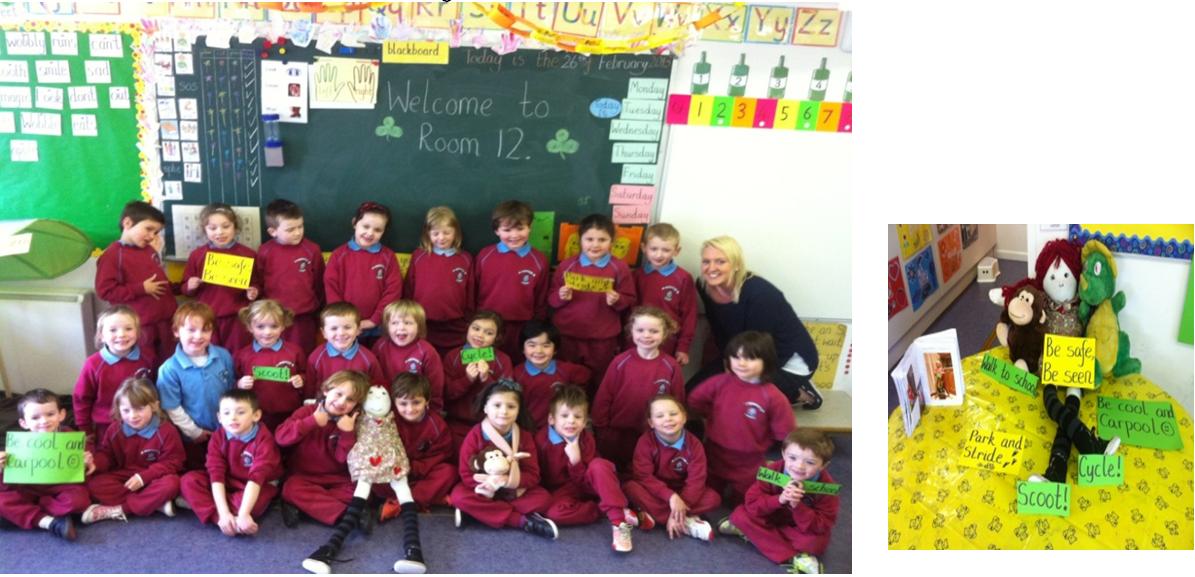
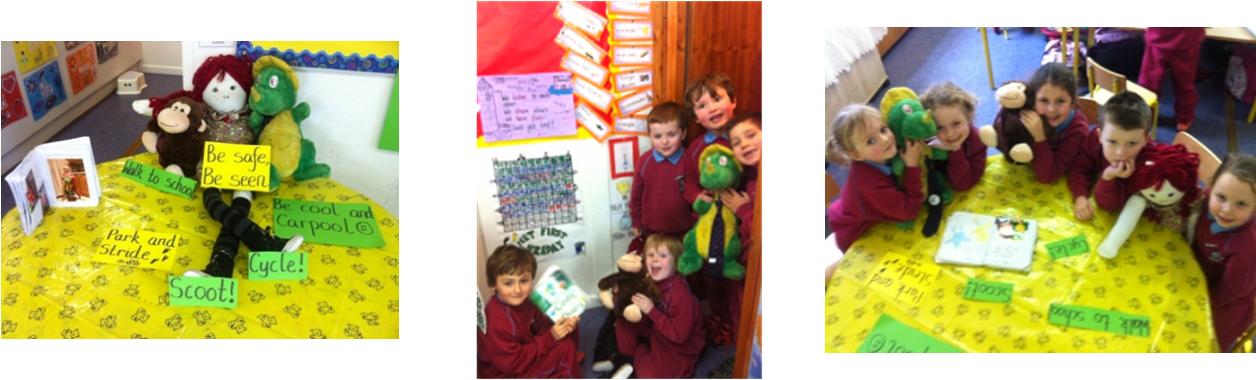
When I visited the boys and girls in Room 12 they decided to teach Mr. Nilsson and I all about what it means to be part of a Green School. The school has already achieved their Water flag, Recycling flag and Energy flag. They are working very hard to get their transport flag and hope to get it this year. They have been learning all about safety on the way to and from school and the green ways to get there. The best way to travel to school is by using your feet. The boys and girls love to walk to school in the mornings. Many children carpool. This means that lots of children travel together in the same car to school. They always wear their seat belts. A lot of children park and stride. This means that their Moms and Dads park their cars far away from the school. The boys and girls walk to school from the car. Some children come to school on the bus, on their scooters, flickers and bicycles. They wear their hi-visibilty jackets going to and from school. They help to keep them safe by letting others on the roads see them. The school has Feet First Fridays. This means that all of the boys and girls in the school make an extra effort to walk to school on Fridays.
Cody is a dinosaur who lives in all the classrooms. At weekends he visits one lucky boy or girl’s house. He reminds the children and their families to reduce, reuse and recycle. The children take photos of Cody helping them and put them in his diary. The boys and girls love when Cody goes home with them. He is a very busy dinosaur!
My week in room 15
Topic: Sport (Traditional Irish Sports)
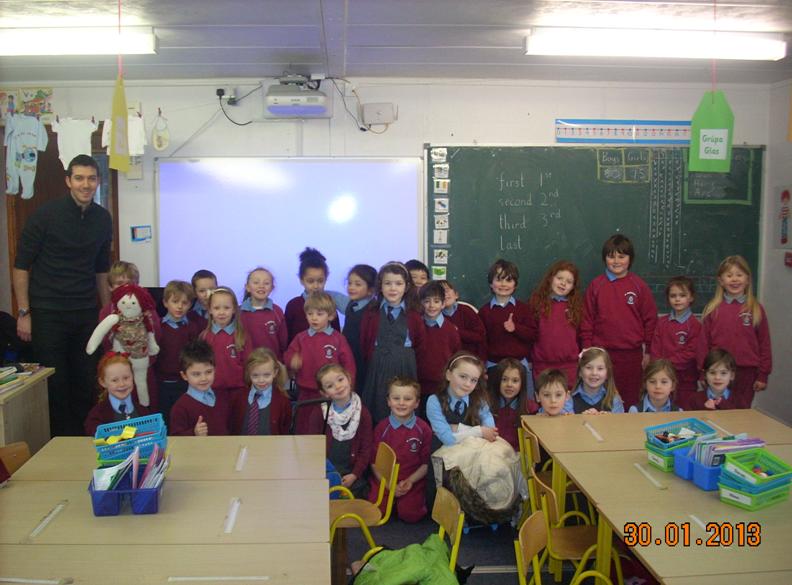
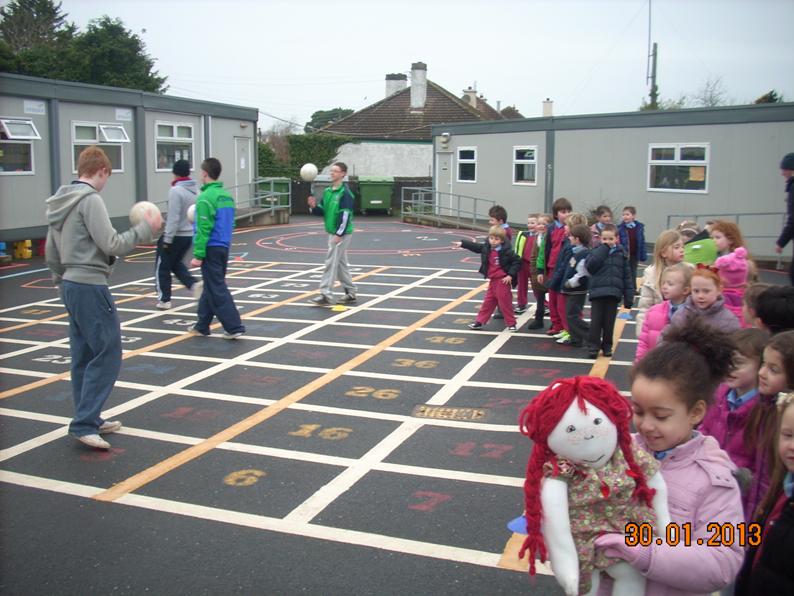
When I visited the boys and girls in room 15 Senior Infants, they were about to go outside and play Gaelic Football.
In schools in Ireland, boys and girls learn to play two Irish sports, Gaelic Football and Hurling. I really enjoyed watching the boys and girls learning to play football and I learned to kick the football too!
February 2013
My week in Room 16
Topic: Arts (Traditional Irish Festival)
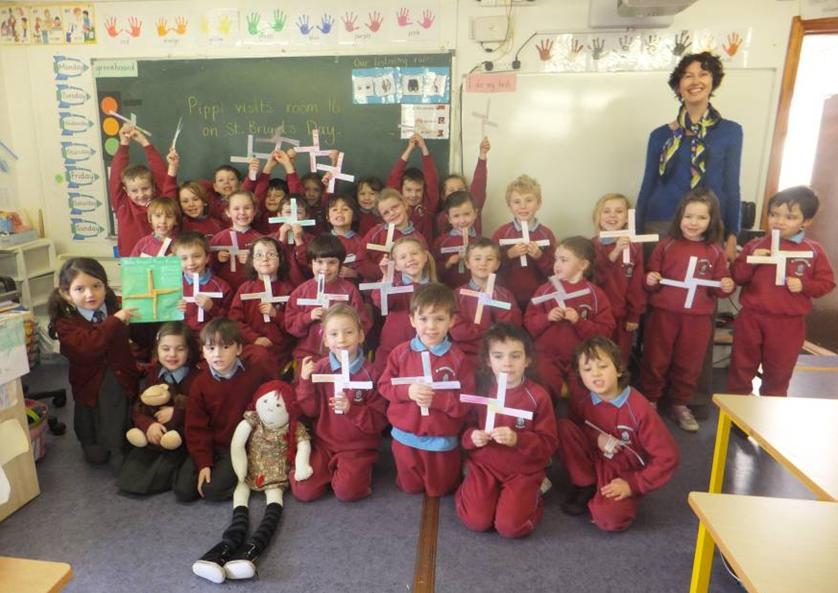
When I visited the boys and girls in Room 16 Senior Infants it was the 1st day of February. This day is celebrated in schools all over Ireland as it is the first day of Spring and is also known as St. Brigid’s Day. Brigid lived in Ireland in the time of St. Patrick and is remembered for her generosity to others, the poor, the sick and the elderly in particular. To remember her St. Brigid’s Crosses are made by the boys and girls in schools all around Ireland. These are traditionally made of rushes and I watched the boys and girls make their own crosses from paper today!
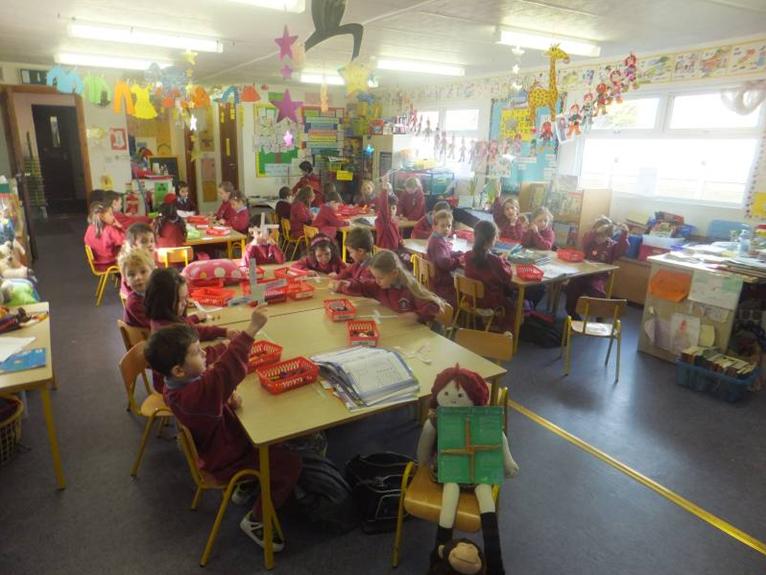
My week in Room 17
Topic: Arts (Visual Arts & St. Valentine’s Day)
I visited Room 17 the week before St. Valentine’s Day (the 14th of September). Lots of children in Ireland enjoy making Valentines Day cards for their families.
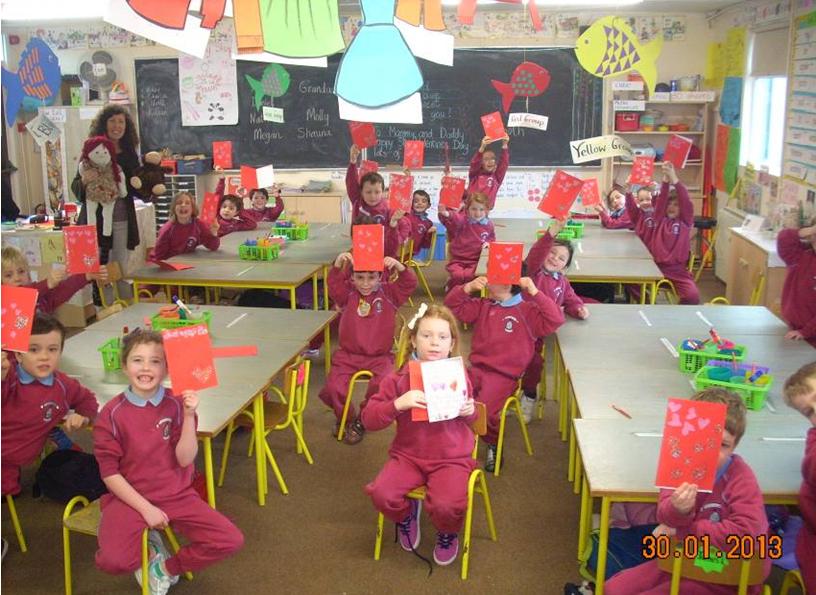
The children in Room 17 made cards for their families using red card and pink hearts. Then they wrote a rhyme on the inside and signed their names. We had great fun!
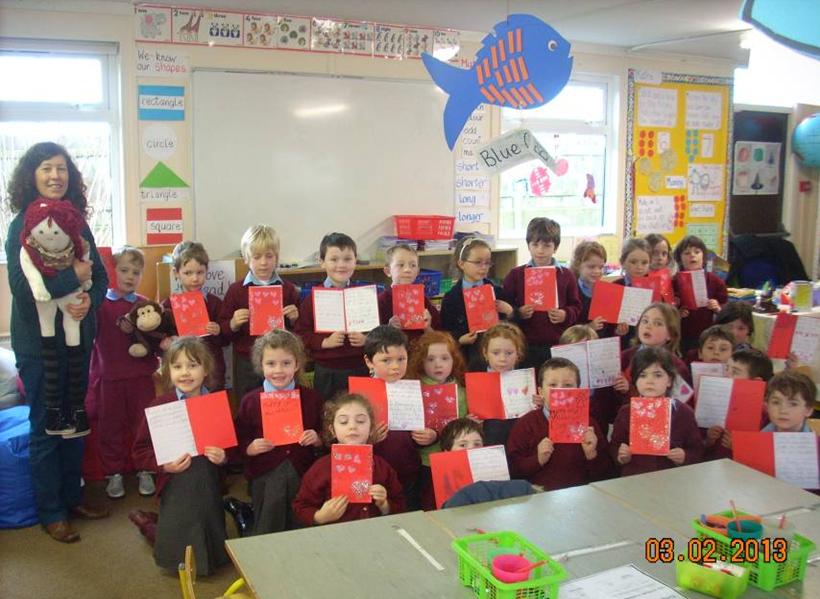
My week in Room 18
Topic: Food (Traditional Irish Foods)
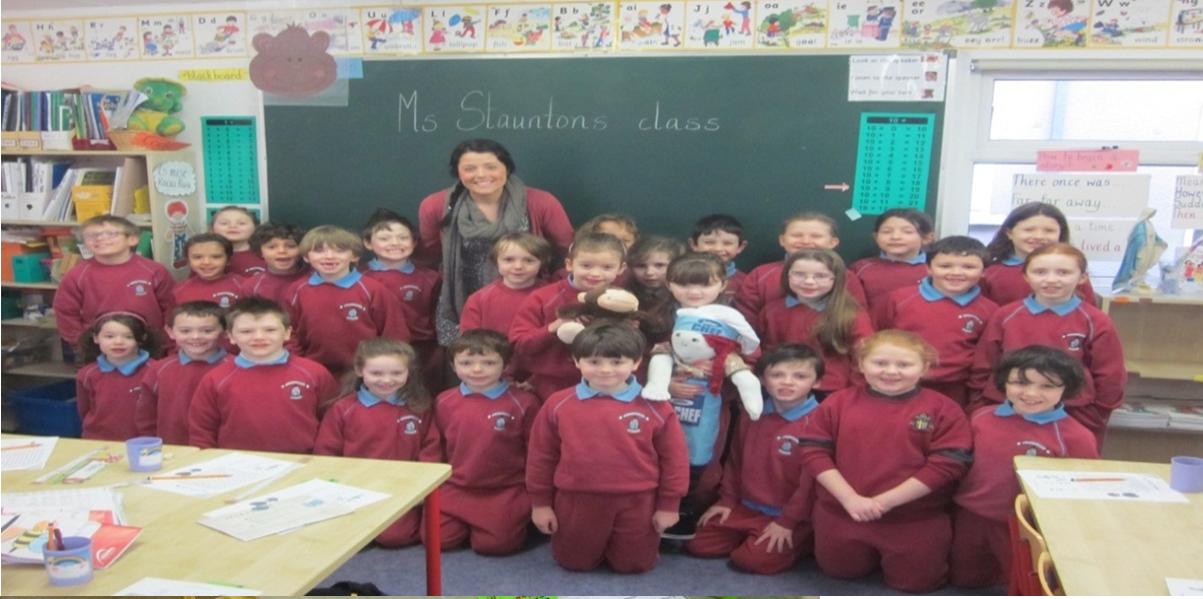
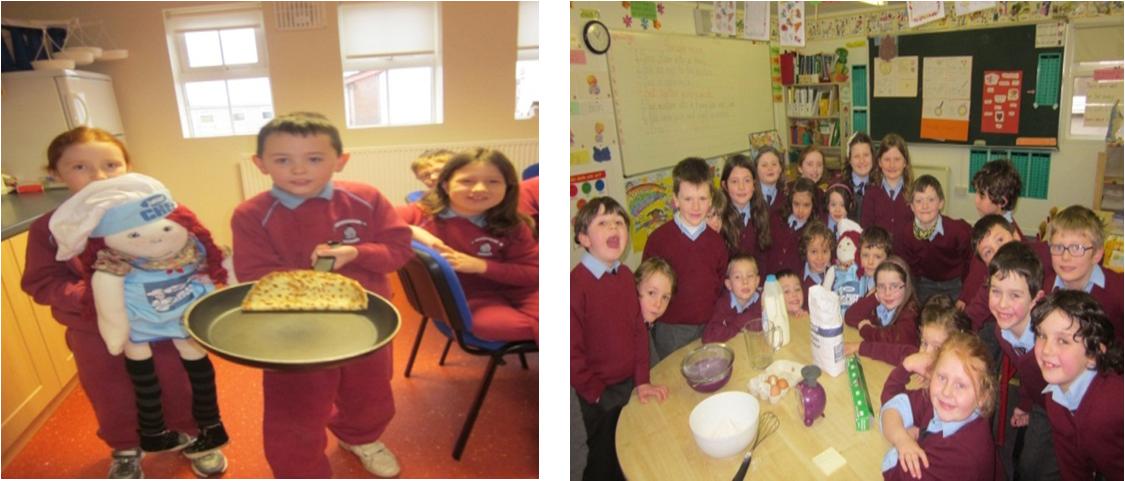
I was so excited when the children in Room 18 invited me to join them for Pancake Tuesday!
Pancake Tuesday is a special tradition in Ireland before the start of Lent.
I helped the children make pancake batter in the class. They even gave me a chef hat and apron to wear! Then we went to the kitchen where I flipped pancakes with the boys and girls! One pancake nearly hit the ceiling! It was great fun!
In Ireland we love to fill our pancakes with lemon and sugar or with chocolate spread! I wanted chocolate on my pancake! It was delicious!
Other traditional foods in Ireland include a full Irish breakfast with bacon, sausages, black pudding and eggs, Irish stew and potatoes, bacon and cabbage and soda bread.
March 2013
My week in Room 4
Topic: School Life (People Who Help Us)
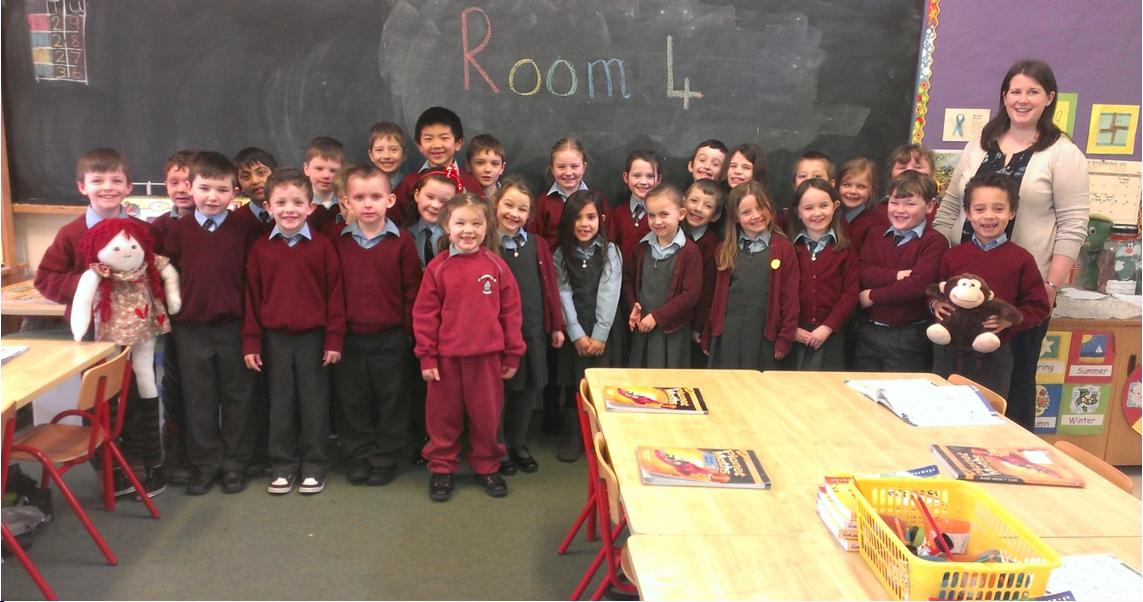
I visited Room 4 to learn about people who help us in our school.
I wanted to meet Mrs. Dunne, the principal.
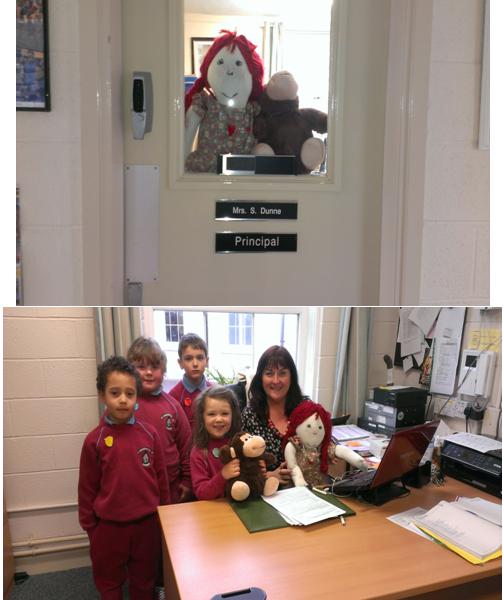
Daniel, Hannah, Cillian and Sophie brought me to Mrs. Dunne’s office. Mrs. Dunne was delighted to meet Mr. Nilson and I. I was very good during my visit to the principal’s office.
My week in Room 2
Topic: School Life (Shared Reading)
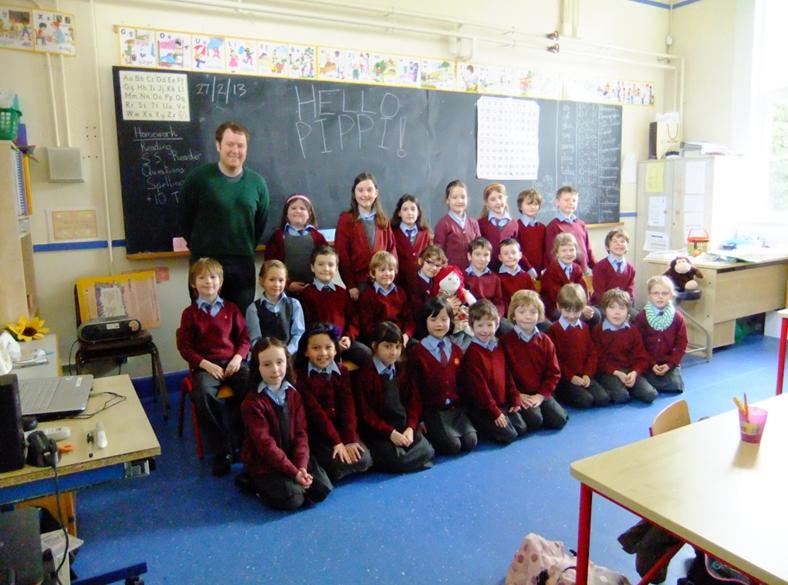
Mr. Nilsson and I visited Room 2 during a shared reading lesson.
Every Wednesday afternoon Room 2 and the boys and girls from Ms. Timoney’s class in Room 5 have a shared reading lesson.
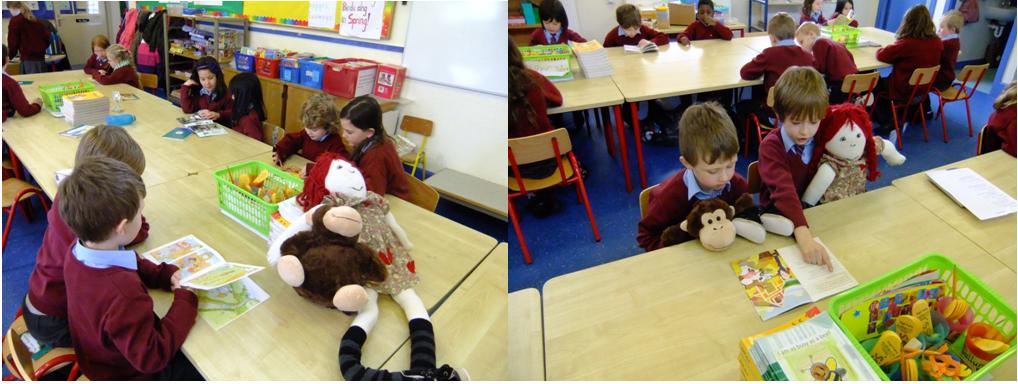
The boys and girls bring down books from 1st class to read to the boys and girls in Junior Infants.
Sometimes the boys and girls in Junior Infants have their own books that the 1st class boys and girls help them read.
The boys and girls from Room 2 show the Junior Infants how to turn the page properly and to keep their fingers under the words while reading.
The 1st class boys and girls then ask questions about the stories to the Junior Infants to see if they remember what they heard.
My Week in Room 1
Topic: Landscape (Typical Spring Flowers in Ireland)
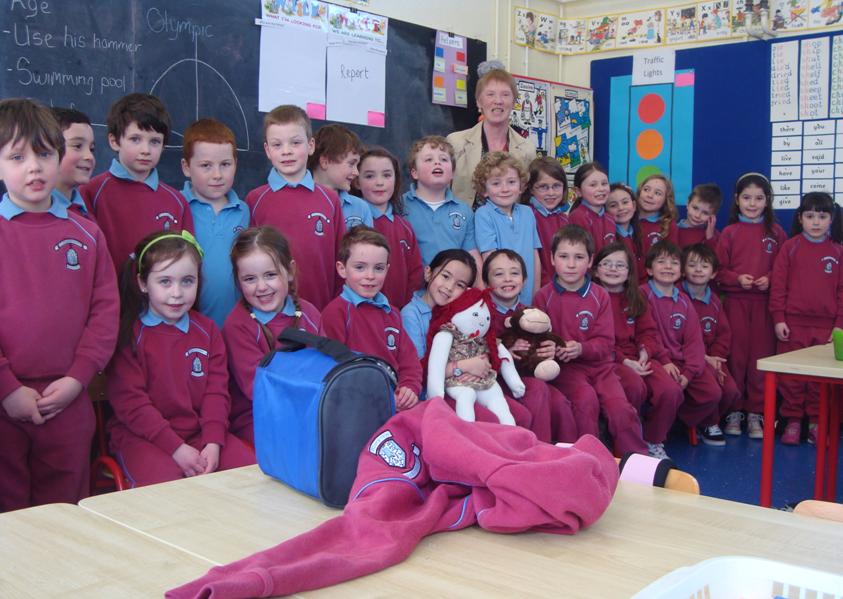
The boys and girls from Mrs. Merrick’s class brought Mr. Nillson and I on a spring walk around the school grounds! We had to look around us as we walked to spot lots of different signs of spring arriving!
We spotted the buds on the trees and some beautiful spring flowers in the flowerbeds.
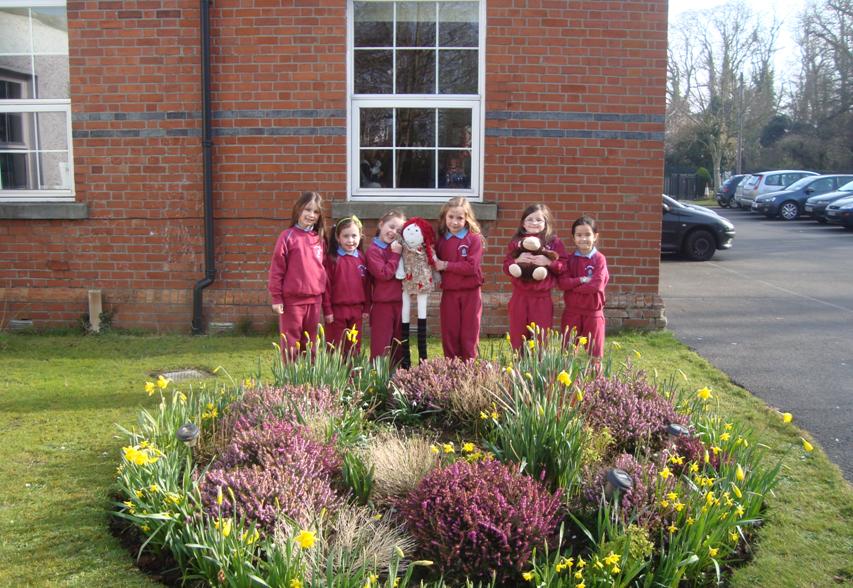
There were daffodils, crocuses, primroses and daisies in the grass! These are all typical flowers that you can see all around Ireland at this time of year! We had great fun!!
Welcome to the website!
Welcome to the website of our Comenius project – ‘Pippi’s Quest’.
There are six countries working together in our project – Ireland, Iceland, Estonia, Germany, Spain and Slovenia.
The children in all six countries have been reading about Pippi Longstocking’s adventures.
They are writing a new ‘European adventure’ for Pippi together.
We invite you to explore our website and read the children’s work.
Signed:
St. Sylvester’s Infant School, Malahide, Ireland
Tallinna Linnupesa Lasteaed, Tallinn, Estonia
VRTEC GALJEVICA, Ljubljana, Slovenia
Colegio Publico „Roces”, Oviedo, Spain
Vesturborg Preschool, Reykjavik, Iceland
Scharmützelsee-Grundschule, Berlin, Germany